If you’ve ever walked into a hotel room and paused to notice how the armchair curves to fit your back, or how the bedside table holds your lamp and water glass without wobbling, you’ve been looking at loose hotel furniture—pieces that aren’t built into the walls, that can be swapped out when styles shift or parts wear out. As someone who’s spent 12 years running a loose furniture supply business, I’ve learned that the materials we choose don’t just make a room look nice; they determine how long that furniture lasts, how it holds up to thousands of guests, and how it affects a hotel’s bottom line. A lot of hotel teams think they just need “sturdy” furniture, but the real work happens in the small, specific choices we make about what each piece is built from. Hotel Loose Furniture
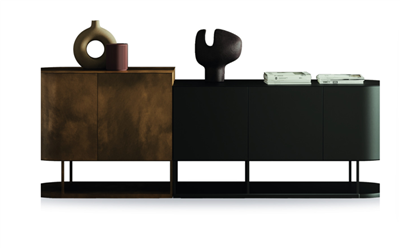
Let’s start with the workhorses of the whole set: the frames. This is the skeleton that every guest will rely on, so cutting corners here is a fast way to end up replacing whole pieces too soon. For small guest room pieces like nightstands or accent chairs, solid kiln-dried hardwood is still our go-to for most mid-tier and luxury hotels. Kiln-drying is non-negotiable, by the way—wood that’s not properly dried will warp or split within a couple of years, especially in hotel rooms where AC or heating runs year-round and humidity swings are constant. We use oak, ash, and mahogany most often: oak is affordable, grainy, and hides small scratches well, perfect for busy standard rooms; ash is lighter and has a smoother, more modern grain, great for boutique hotels leaning into minimalist designs; mahogany is dense and has a timeless look, for high-end resorts that want furniture to feel classic. For larger pieces like sofas or full-size bed frames, we often combine solid hardwood with engineered wood. Engineered wood—specifically high-quality marine-grade plywood or medium-density fiberboard (MDF) with a hardwood veneer—adds stability. It doesn’t expand or contract with temperature changes the way solid wood does, so a king bed frame in Orlando or a sofa in Edinburgh will hold its shape for 10+ years, as long as the joints are properly glued and reinforced with metal dowels or corner blocks. We avoid particleboard for structural frames entirely— it falls apart if it gets spilled on or even just heavy use, and hotels can’t afford replacing a whole sofa after three years.
Next up: the seating and soft goods, the parts that guests touch every single time they sit down. This is where performance fabric is king. Regular upholstery fabric for homes will fade after six months of hotel cleaning—we’ve seen that mistake so many times. The standard we use for most properties is solution-dyed polyester. Unlike home polyester, which has dye on the surface, solution-dyed polyester has pigment mixed into the fibers before they’re spun into thread. That means when you scrub it, when a kid spills soda, or when sunlight streams through a window all day, the color doesn’t wash out. It’s stain-resistant, doesn’t fray at the edges, and is 2-3 times more durable than regular fabric. For higher-end hotels, we upgrade to performance linen or full-grain top-grain leather. Performance linen is woven with a subtle synthetic blend that keeps the crisp, airy look of linen but doesn’t wrinkle or stain easily—great for coastal resorts or summer properties. Top-grain leather is another favorite, but we only use it if the hotel is willing to maintain it properly: it patinas nicely with use, doesn’t show small scratches the way bonded leather does, and feels luxe, but it needs to be treated with leather conditioner every 6-12 months to avoid cracking. We never recommend bonded leather for hotel use—it peels within a couple of years, and guests can tell it feels cheap the second they sit down. Even the foam inside seats matters. We use high-resilience (HR) foam with a 2.8 to 3.5 pound density rating. Low-density foam compresses after 10,000 sits and ends up with saggy sofa seats, which is a guest complaint we get nonstop. For back cushions, we mix HR foam with a layer of fiberfill to add softness without losing support. Mattresses are a whole separate category, but when they’re part of the loose furniture suite, we work with suppliers that use pocketed coil systems with a thick layer of memory foam on top—pocketed coils reduce motion transfer so a guest doesn’t feel their partner rolling over at 2 a.m., and they last 7-10 years without sagging.
Table tops and surfaces are the next big group, and they have to balance style, functionality, and ease of cleaning. For nightstands, vanities, and small coffee tables, we offer three main options. Laminate is the most budget-friendly and most used for economy and mid-tier hotels. Modern laminate is way different from the cheap stuff you remember from the 90s—it’s heat-resistant, scratch-proof, and comes in every wood grain or solid color you can imagine. It’s wiped down with a disinfectant in 10 seconds, which is a huge win for housekeeping teams. For mid-tier and boutique hotels, engineered stone (like quartz or solid surface) is our pick. Quartz is non-porous, so spills of coffee, wine, or makeup never stain it, and it’s extremely heavy, so it doesn’t tip over when a guest leans on it. Solid surface is even more versatile—it can be cut to custom shapes, so we can make a round bedside table or a curved vanity without seams, which looks much cleaner. For luxury properties, solid marble or travertine is popular, but we always warn hotels that they’re porous—they need to be sealed every year, and acidic spills like orange juice or wine can leave stains if they’re wiped off too slowly. We also add a non-slip pad to the bottom of every table or dresser, so they don’t slide across the floor when a housekeeper is vacuuming or a guest pulls a chair out.
Hardware is a detail most guests don’t notice, but it makes or breaks how long furniture lasts. Drawer pulls, hinges, bed frame bolts, and even the feet of chairs and tables all have to be heavy-duty. We use solid brass or stainless steel hardware, not the cheap chrome-plated metal that rusts after a year. Hinges for drawers and cabinet doors should be soft-close, by the way—guests love not having drawers slam shut, and soft-close hinges don’t wear out as fast as standard hinges. For the feet, we use either rubber or felt. Rubber feet are best for hard floors like hardwood or tile—they grip, so furniture doesn’t scratch floors, and they muffle noise when someone walks around a room. Felt feet are for carpeted rooms, but we still add a layer of rubber to the bottom of the felt to keep it from wearing out too fast. Every single piece we leave our factory with gets a set of spares in the packaging—extra screws, extra hinges, a small tube of matching wood filler—because even with the most durable parts, something will break, and hotels hate waiting for replacement parts.
We also can’t talk about hotel loose furniture materials without talking about sustainability, which is something hotels ask about constantly now. More and more of our clients want furniture that doesn’t hurt the planet, and that guests notice too. For wood, we only use FSC-certified wood, which means it comes from responsibly managed forests. For upholstery, we offer recycled solution-dyed polyester, made from plastic bottles, and performance fabrics that are OEKO-TEX certified, so they don’t have harmful chemicals that off-gas. We even work with a supplier that makes foam from plant-based oils, not just petroleum, for hotels that are looking for that extra step. One recent project I worked on was a boutique eco-resort in Costa Rica, where we used reclaimed teak for all the bed frames and tables—salvaged from old buildings that were being torn down, so it had character and no new trees were cut. That became a huge selling point for their marketing, so sustainability isn’t just a nice add-on—it drives bookings too.
I’ve learned a lot over the years about what works in hotel furniture, and the biggest mistake I see new hotel owners make is prioritizing cost over material quality. A $500 accent chair might seem like a steal, but if the frame is made of soft pine and the fabric is regular upholstery, it will need to be replaced in 2 years. A $800 chair with a kiln-dried oak frame and solution-dyed fabric will last 8-10 years, saving the hotel money in the long run. It’s not just about the upfront price—it’s about the total cost of ownership.
When I sit down with a new client, the first thing I don’t show them is the samples. I ask them questions: How long do you plan to keep these rooms? What’s the average guest count? Do you have a lot of kids traveling, or are these mostly business travelers? For a 150-room budget hotel that turns over rooms every 3 years, we recommend laminate surfaces and solid hardwood frames. For a 50-room luxury boutique that plans to keep the furniture for 10 years, we work with them to pick top-grain leather, quartz surfaces, and FSC-certified hardwood. Every hotel is different, so there’s no one-size-fits-all material, but the core rule is that every material has to be built for use, not just looks.
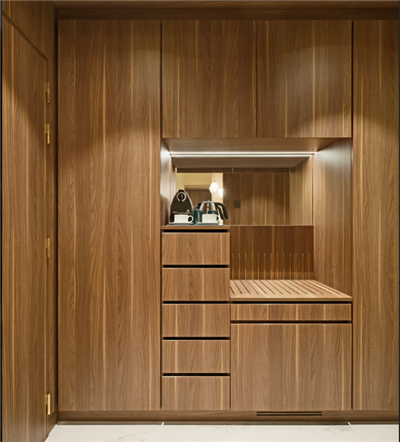
If you’re a hotel procurement manager, owner, or interior designer reading this, and you’re planning out loose furniture for your next project—whether it’s a new build, a full renovation, or just swapping out a few worn pieces—we can help you navigate the material choices that fit your budget, your brand, and your guests. We don’t just sell furniture; we walk through each material with you, show you samples, explain the pros and cons, and make sure every piece is built to last. Feel free to reach out to discuss your project needs.
Hotel Loose Furniture References:
- American Hotel & Lodging Association. (2021). Hotel Furniture & Fixture Sustainability Guide.
- National Wood Flooring Association. (2019). Kiln-Drying Practices for Architectural Wood Products.
- Textile Institute. (2020). Performance Fabrics for Commercial Upholstery.
- Kitchen Cabinet Manufacturers Association. (2022). Structural Material Standards for Residential and Commercial Furniture.
- Forest Stewardship Council. (2023). Certified Wood Product Specifications for Hospitality Interiors.
Jiamei Wood Co., Ltd.
As one of the most professional hotel loose furniture manufacturers and suppliers in China, we also support customized service. Please feel free to wholesale cheap hotel loose furniture for sale here from our factory. For price consultation, contact us.
Address: Room 1802, No. 2nd, Kexing Road, Baiyun District, Guangzhou, Guangdong Province, China
E-mail: sq@jiameiwood.com
WebSite: https://www.jiameiwood.com/
