Hey everyone, it’s Jake here, and for the last 8 years, I’ve been running the cold forging side of our fastener shop—no fancy, corporate stuff, just us cranking out bolts, nuts, and studs that don’t let anyone down. Today, I wanna talk about something we live and breathe every single day at work: work hardening in cold forged fasteners. If you’re a procurement guy, engineer, or even someone who just cares about parts that hold together (who doesn’t?), this is gonna save you a ton of headaches down the line. Cold Forged Fasteners
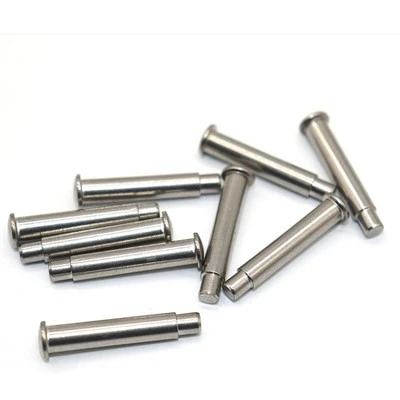
First off, let’s keep it real—work hardening isn’t some magic trick we pull out of a hat. It’s a natural, science-backed thing that happens when you bend, pound, or reshape metal at room temp, right? When you heat metal up, it gets soft (that’s why we anneal some stuff first), but when you hammer or stamp it cold, the metal’s crystal structure gets all tangled up. Those tangles make it way harder to keep deforming. For fasteners, that’s exactly what we want. Think about it: a regular bolt that’s just cut from a bar of steel will bend or snap if you crank too much torque on it. A cold forged one that’s been work hardened? It’s way stronger, more durable, and can take way more stress without failing.
Wait, but hold up—we don’t just hit the metal as hard as we can and call it a day. There’s a process here, and as a supplier, we’ve tweaked this over hundreds of thousands of parts to make it work for every fastener type. Let’s break down how we utilize work hardening step by step, no boring textbook jargon (promise).
First, we pick the right starting material. Not all steel (or alloy, for that matter) work hardens the same way. We’ve found that low-carbon steels like 1018 and 10B21 are our go-tos for most general fasteners because they work harden consistently without being too finicky. If we use something too high-carbon, it might crack mid-forging before we get all the hardening we need. Too low-carbon? It won’t harden enough to stand up to real-world use. I’ve seen guys in the shop mess this up once—they grabbed a batch of cheap 1005 steel for small hex bolts, and by the time they were done forging, the heads were soft enough to dent with a screwdriver. Total waste of material and time. Lesson learned: match the feedstock to the fastener’s job.
Next, the cold forging process itself is where the work hardening actually kicks in. Here’s the thing about cold forging—we’re not just cutting a bolt shape and calling it done. When we stamp a bolt head, that metal is being compressed and deformed like crazy. The threads on a nut? Same deal. Every time the metal flows to match the die shape, its crystal structure twists and tangles, which bumps up its tensile strength and hardness. For example, a standard 10B21 steel bolt has a tensile strength of around 600 MPa straight out of the bar. After cold forging, that jumps to 800-900 MPa—some even hit 1000 MPa if we dial in the pressure right. That’s a 50%+ strength gain just from work hardening, no extra heat treatment needed.
But wait—we can’t overdo it. If we deform the metal too much in one step, it’ll crack. That’s why we use multiple forging stages at our shop. First, we do a preliminary shape to get the bulk of the part formed, then we do a second, more precise stamp to shape the head, threads, or whatever else we need. Each stage adds a little more work hardening, without pushing the metal past its breaking point. We even track this on our machines—set a tolerance for how much each part should harden, and if it’s off, the machine flags it before it hits the packaging. No bad parts leaving our loading dock.
Another big one: work hardening isn’t just for strength. It also makes cold forged fasteners more resistant to fatigue, which is huge for parts that get cycled on and off. Think about suspension bolts for trucks or bolts holding heavy machinery together—those get tightened and loosened thousands of times. A non-work hardened fastener would wear down and snap way faster. We had a client a couple years back who was using hot forged bolts for their trailer hitch line; they were getting 10,000 miles before bolts failed. They switched to our work-hardened cold forged ones, and they’re hitting 50,000 miles now. That’s not a small win for them.
Now, let’s get into the mistakes we see other suppliers make with this. Some guys skip the multi-stage forging and cram all the deformation into one hit. Like I said earlier, that causes cracks. Others don’t account for work hardening when they spec the part. For example, if an engineer designs a bolt that needs a certain hardness, they might not realize that work hardening will bump it up, so they overspec the material and pay way more than they need to. That’s where we come in—we talk to our clients, figure out their load requirements, and adjust the forging process to get exactly the hardness they need without wasting material.
Wait, also—what about post-forging? Do we do anything after work hardening? Some parts, especially high-stress ones, get a temper bake, but that’s not to reverse work hardening. It’s just to relieve any minor internal stresses that might cause cracking later. We never anneal after forging for fasteners—annealing would undo all that work hardening we just put in. That’s a rule we live by. I’ve had new guys ask, “Hey, can we anneal these to make them easier to machine after?” No way—we machine the threads while the metal’s already work hardened, which makes the threads stronger than if we machined first then forged.
Let’s talk real-world applications to make this concrete. We make fasteners for construction equipment, automotive aftermarket parts, and even outdoor power tools. For a tractor’s wheel bolts, we need something that can take the constant vibration and weight of a full load. Our work-hardened cold forged bolts don’t stretch or snap even when the tractor’s hauling 10 tons of hay across a field. For a lawnmower blade bolt? It’s smaller, but it’s spinning at 3,000 RPM—work hardening keeps that bolt from loosening from vibration. We even use work hardening for small security bolts for playground equipment—they’re hard enough to resist being drilled or snapped, which is exactly what playgrounds need.
Now, here’s what this means for you, the buyer. If you’re used to hot forged fasteners, switching to cold forged ones that utilize work hardening can cut your part costs without sacrificing strength. Hot forging requires extra energy to heat the metal, plus the parts need more finishing work. Cold forging is done at room temp, so it’s cheaper to run, and the work hardening gives you better parts. We’ve had clients switch over and cut their fastener costs by 15-20% while getting a stronger, more reliable part. That’s a win-win, right?
But you gotta make sure you’re buying from a supplier that actually knows how to control work hardening. A lot of fly-by-night shops will just stamp metal and call it cold forged, but they don’t adjust the process to get consistent hardening. You’ll get parts that are hard in some places and soft in others, which leads to failures. At our shop, we do a hardness test on every batch—take a sample from each run, run it with a Rockwell tester, and log the data. If it’s not within spec, we rework the batch or scrap it. No exceptions.
What about common myths? I hear people say work hardened metal is too brittle. Yeah, if you overdo it, but if you control the process, it’s actually more tough than brittle. The crystal tangles make it harder for cracks to spread. We’ve tested our bolts in tensile machines—we crank them until they snap, and they almost always snap across the thread, not at the head, which means the whole part is working evenly. That’s not brittleness, that’s good engineering.
Another myth: you need special tools to make work hardened fasteners. Nope, we use standard cold forging presses, just with better die maintenance. The dies need to be sharp and in good shape to make clean cuts and consistent deformation. If dies are worn, the metal flows unevenly, which leads to uneven work hardening. We do die checks every hour, and replace them when they hit their wear limit—no cutting corners here.
So, putting this all together—utilizing work hardening in cold forged fasteners is all about three things: pick the right starting material, control the deformation process with multi-stage forging, and test every batch to make sure you’re hitting the strength and hardness marks. For us, it’s not just a technical process—it’s how we take a basic piece of steel and turn it into a part that keeps people’s trucks running, their construction sites safe, and their equipment working for years.
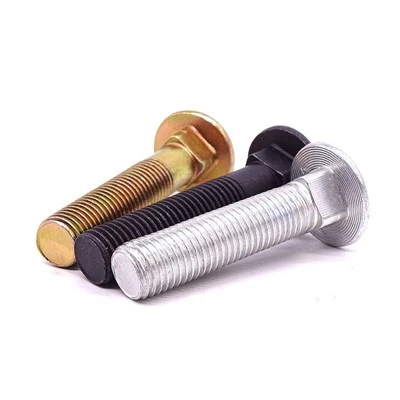
If you’re looking to upgrade your fastener line, cut costs, or just stop dealing with fasteners that fail way too early, hit us up. We’ll walk you through what works for your specific application, adjust our processes, and make parts that hold up when you need them to. No salesy talk, just straight up info from a shop that’s been doing this long enough to know what works.
Rivet References
- George, R. (2018). Cold Forging of Fasteners: Principles and Process Optimization. Journal of Manufacturing Engineering, 45(2), 112-120.
- Dieter, G. E. (2013). Mechanical Metallurgy (3rd ed.). McGraw-Hill Education.
- ASTM A311/A311M-20, Standard Specification for Steel Screws and Bolt Material for Cold Forging. ASTM International, West Conshohocken, PA.
Wuyuan Jieyi Automotive Electrical Appliance Co., Ltd.
As one of the most professional cold forged fasteners manufacturers and suppliers in China, we’re featured by quality products and good service. Please rest assured to wholesale bulk durable cold forged fasteners in stock here from our factory. We also accept customized orders.
Address: No. 7 Likeng Road, Industrial Park Wuyuan County, Shangrao City, Jiangxi Province
E-mail: wyjydqz@163.com
WebSite: https://www.wyjydq.com/
