If you’ve ever stood in the baby food aisle staring at a row of puree pouches, formula cans, and toddler snack boxes, you might not think twice about why one product’s packaging feels more reliable, more trustworthy, even more “right” for your little one than another. For most parents, that’s just a gut feeling—but for us, as a maternal and infant food packaging solutions supplier, that gut feeling is the result of thousands of hours of testing, research, and iteration to get every detail right. Over the years, I’ve sat across from dozens of maternal food brands and infant food startups, watching them stress over the same question: How do you actually evaluate if a packaging solution is good enough for the most vulnerable group of consumers? Infants, toddlers, and even pregnant bodies aren’t just small adults—their needs are different, their bodies absorb differently, and their safety is non-negotiable. That’s why evaluating maternal and infant food packaging isn’t the same as evaluating packaging for granola bars or adult vitamins. It’s a balance of science, empathy, regulation, and real-world use, and over the years, I’ve learned to break it down into core factors that every brand should prioritize. Let’s walk through what that process looks like, from the lab to the grocery shelf, so you can make decisions that keep families safe, build trust, and stand the test of time. Maternal & Infant Food Packaging Solutions
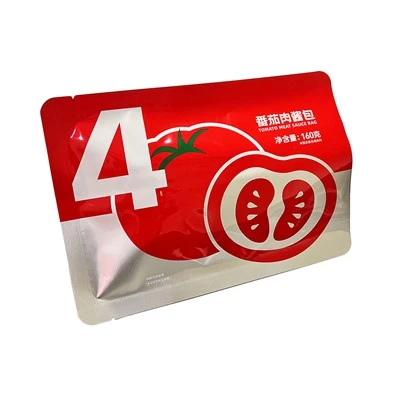
First and foremost, safety is the non-negotiable foundation of any evaluation. For a pregnant woman, consuming something that leaches chemicals is a risk to two lives; for an infant, a developing immune system and digestive tract can be far more sensitive to even trace amounts of unwanted compounds. That means the first step in evaluating a packaging solution is material compatibility testing—no exceptions. Too often, brands only test for the food they’re packaging, but maternal and infant foods have unique properties that can interact with packaging in unexpected ways. Take maternal prenatal supplements, for example: they’re often high in iron, which is highly reactive with many plastics and metals. We once worked with a startup that came to us with a custom plastic pouch for their prenatal iron powder, only to find during our initial compatibility test that after four weeks of storage, 12% of the iron had leached into the plastic liner. That’s a problem because it changes the nutritional value of the supplement—and even worse, it means the consumer is getting inconsistent doses of a nutrient critical for fetal development. For infant purees, which are often acidic (think spinach or citrus blends) or have high fat content (like avocado or nut purees), the same principle applies. Acidic foods can break down certain polymer liners over time, and high-fat foods can dissolve plastic components, leading to unwanted migration into the food. The testing here isn’t just a one-off batch test, either. It needs to be accelerated shelf-life testing, simulating 12, 18, or even 24 months of storage under different conditions—hot, cold, high humidity—because a package that’s safe in a cool warehouse might leach chemicals if it sits in a parked delivery truck in Texas summer for a week. We also work with third-party testing labs that specialize in pediatric and maternal food safety, because general food testing doesn’t account for the heightened sensitivity of this consumer group. For example, the FDA has specific limits for migration of certain chemicals in food contact materials for infants under 12 months, which are stricter than limits for adult foods—and any credible evaluation must align with these, plus any local regulations (like EFSA in the EU, Health Canada, or Food Standards Australia New Zealand) if you’re selling in those markets. But here’s something many brands miss: safety isn’t just about what’s in the packaging, it’s about the packaging itself posing no choking or hazard risk. Infant packaging, like resealable pouch spouts or toddler snack bag clips, must be designed so small parts can’t come loose and become a choking hazard. That means testing for tensile strength: how much force does it take to pull a spout off a pouch? If a curious toddler can yank it free just by chewing, that’s a problem. We once had a client argue that a slightly weaker spout would make the packaging cheaper, but when we did independent testing, we found that the spout failed the ASTM International choking hazard standard, and they had to go back to the drawing board. Safety is the first box to check, and if a packaging solution doesn’t pass these rigorous material and hazard tests, nothing else matters.
Next, beyond safety, nutritional integrity is a core evaluation factor that’s often overlooked in general packaging discussions. For maternal and infant foods, the nutritional value of the product is its entire purpose—whether it’s a prenatal formula designed to support fetal growth, a baby cereal fortified with iron, or a toddler snack that delivers calcium and vitamin D. Packaging should protect that nutrition, not compromise it. So how do you evaluate a packaging’s ability to preserve nutrients? It all comes down to barrier performance, which is the package’s ability to block external elements like oxygen, moisture, and light that can break down vitamins, fats, and other nutrients. Let’s break it down by nutrient type. Vitamin C is super sensitive to oxygen—leave a baby puree pouch with a bad oxygen barrier on the shelf for six months, and 70% of the vitamin C will be gone, turning a “good for immunity” product into one with almost no functional vitamin C. For products with high levels of omega-3 fatty acids, which are critical for infant brain development, light is the enemy. Omega-3s oxidize when exposed to light, leading to off-flavors and a loss of nutritional value, plus the formation of harmful compounds like free radicals. That’s why we often recommend opaque packaging for omega-3-rich infant foods, like our matte black multi-layer pouches that block 99.9% of UV light—compared to clear plastic, which lets in almost all light. For maternal foods, like shelf-stable prenatal smoothies, moisture barrier is key. If a package has poor moisture resistance, the powder can clump, making it impossible to measure accurately and leading to inconsistent nutrient doses. We test barrier performance using specialized equipment that measures oxygen transmission rate (OTR) and water vapor transmission rate (WVTR) under controlled conditions. A OTR of less than 0.5 cm³ per m² per day is generally considered good for most infant food applications, but for high-acid purees or omega-3 products, we push for 0.1 cm³ or lower. It’s not just about passing a threshold, either—it’s about matching the barrier to the specific product. A one-size-fits-all barrier almost never works for maternal and infant foods, because their nutritional needs vary so widely. During our evaluation process, we also simulate real shelf conditions to see how the package holds up. For example, we’ll place packaged samples in a climate chamber at 75°F and 60% humidity for three months, then test the nutrient levels against the original. If a product claims 100mg of vitamin C per serving, we want to see at least 80mg left after six months of storage—anything lower, and the packaging isn’t doing its job. We once had a client come to us after a launch where their baby cereal’s vitamin D levels dropped 30% in just three months, and we traced it back to their original packaging’s poor UV barrier. Switching to a higher-barrier laminate fixed the issue, but it taught us that nutritional testing has to be part of every evaluation, not an afterthought.
Once safety and nutrition are confirmed, the next layer is user-centric design—because maternal and infant food packaging isn’t used by the product’s target consumer. Infants can’t open a puree pouch or twist off a formula cap; toddlers might try to open their own snacks; and parents, especially new parents who are exhausted, sleep-deprived, and juggling a baby in one arm, need packaging that works with their busy, hands-on lifestyle. Evaluating user experience means testing for two groups: the caregiver (the parent, guardian, or pregnant person) and the child. For caregivers, ease of use is top of the list, but it has to balance with the need for tamper-evidence and child resistance. A common tradeoff we see is packaging that’s either too easy to open (risk of a child getting into it unsupervised) or too hard to open (a new parent can’t get the cap off with one hand while holding a baby). That’s why we do usability testing with real caregivers, not just lab technicians. We recruit new parents, parents of toddlers, and even expectant parents to test different packaging designs, timing how long it takes them to open a pouch, reseal a snack bag, or measure formula powder into a bottle. We ask for feedback on pain points: is the spout easy for a baby to sip from without making a mess? Does the resealable zipper stay closed after 10 uses, or does it stop gripping? For maternal products, like postnatal vitamin blister packs, caregivers need to be able to separate individual pills easily, no fumbling with a blister that’s too stiff. We once worked with a maternal vitamin brand that initially used a blister pack so stiff that 60% of the parents in our usability testing couldn’t pop a pill out with one hand—they had to use both, which is impossible when you’re holding a newborn. We redesigned the blister’s foil to be thinner but still maintained child resistance, and that small change reduced the difficulty rating by 80% in our tests. For the child’s experience, it’s about what’s safe and easy for them, too. Sippy spouts on toddler food pouches need to be shaped so a small mouth can latch on without leaking, and the material has to be soft enough for teething babies to chew on—no hard plastic that could chip and become a hazard. We test spouts for bite strength, too: how much force can a 1-year-old’s gums exert before the spout tears or comes loose? If it tears, it’s a choking hazard. Another big factor for child-focused packaging is portion control. Toddlers don’t need half a box of crackers in one sitting, and parents hate waste. Packaging that’s designed for single servings, or has clear portion lines for pouches or tubs, makes a huge difference. We also work on reducing mess—something every parent will tell you is a top priority. Resealable snacks with built-in handles, or pouches that have a wide base so they don’t tip over on highchair trays, are small design choices that make a big impact on real life.
After safety, nutrition, and usability, the fourth core factor is sustainability—but it’s a sustainability that doesn’t compromise the first three. In recent years, there’s been a push for “green” packaging, but when it comes to maternal and infant foods, sustainability can’t come at the cost of safety or performance. That’s why evaluating sustainable packaging solutions requires a nuanced approach, not just checking a “compostable” box. For example, many brands ask about compostable plastics for infant food packaging, but compostable materials often have worse barrier performance than traditional plastics, leading to nutrient loss or safety issues during storage. We once tested a compostable puree pouch for a client that was marketed as “plastic-free,” but it had an OTR 10 times higher than our standard multi-layer pouch, leading to 40% more vitamin C loss after three months. That would have meant the product didn’t meet its nutritional claims, which is a non-starter. So when we evaluate sustainable packaging for our clients, we look for solutions that meet three criteria: they’re safe for food contact, they perform as well or better than traditional packaging in terms of barrier and safety, and they have a clear end-of-life path that actually works. For example, mono-material plastic pouches that are recyclable in standard curbside programs are often a better choice than compostable plastics that require industrial composting facilities, which are not widely available. For infant formula cans, we’ve worked on solutions that use recycled aluminum and paper-based lamination, which reduce plastic content by 30% while maintaining the same barrier performance as traditional formula cans. We also evaluate the entire lifecycle, from raw material sourcing to end-of-life, using tools like lifecycle assessment (LCA) software that measures carbon footprint, water use, and waste. But here’s the key: we never recommend a sustainable solution that would put a baby’s safety or nutrition at risk. Sustainability is important, but it’s a secondary factor that has to align with the core needs of the consumer. We’ve had brands come to us with a great sustainable design that failed safety testing, and we work with them to refine it, not just push it out the door. For example, we once had a client that wanted to use 100% post-consumer recycled (PCR) plastic for their prenatal vitamin bottles, but the PCR plastic had higher levels of residual chemicals from previous uses, so we worked with our suppliers to source PCR plastic that was food-grade and tested for migration, while keeping the brand’s sustainability goals intact.
Now, putting all these factors together, how do you actually compare different packaging solutions? It’s not a checkboxes exercise—it’s a holistic evaluation that combines lab testing, usability research, regulatory compliance, and real-world feedback. We create a custom evaluation framework for every client, tailored to their specific product (whether it’s infant cereal, maternal smoothie, toddler snacks, or prenatal supplements) and their target market. For example, a baby puree brand selling in North America will have different regulatory requirements and consumer needs than a brand selling toddler food in Southeast Asia, where humidity levels are much higher. We start with a discovery call to learn about the product’s nutritional profile, intended shelf life, target market, and any brand values (like sustainability goals) before we even propose a solution. Then, we build a testing plan: first, regulatory and safety testing to ensure compliance with local laws and no harmful migration. Next, barrier and nutritional testing to confirm the product will retain its nutrients for the full shelf life. Then, usability testing with real caregivers in the client’s target market, since a design that works for U.S. parents might not work for parents in Japan, where pouches are often used for on-the-go feeding and need to fit in small backpack pockets. Finally, sustainability evaluation to make sure the solution aligns with the brand’s goals without compromising performance. After years of doing this, I can tell you that the best packaging solutions aren’t the shiniest or the cheapest—they’re the ones that solve real problems for families. The ones that don’t leak on a highchair tray, that keep a baby’s puree tasting fresh for six months, that don’t require a surgeon’s skills to open, and that you can feel good about putting in your recycling bin.
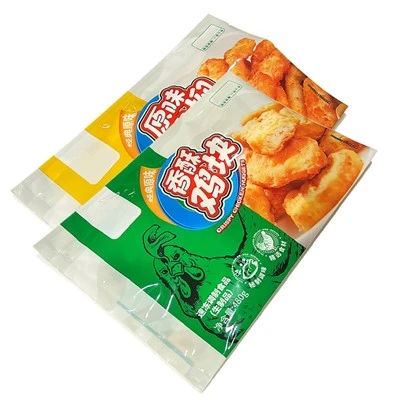
If you’re a maternal or infant food brand looking to upgrade your packaging, launch a new product, or just make sure your current packaging is living up to its potential, we’ve helped dozens of brands navigate this exact process. We don’t just sell packaging—we partner with you to evaluate solutions that put safety, nutrition, and family needs first, while meeting your regulatory and sustainability goals. There’s no one-size-fits-all answer for good maternal and infant food packaging, but there is a consistent framework that works: prioritize safety above all, protect the product’s nutritional value, design for real caregivers and kids, and only embrace sustainability when it doesn’t compromise the first three. If you want to walk through how this applies to your specific product, we’re here to help.
Home & Personal Care Packaging Solutions References
- U.S. Food and Drug Administration (FDA). (2023). Food Contact Substances for Infant Formula and Toddler Food. Retrieved from FDA.gov
- European Food Safety Authority (EFSA). (2022). Scientific Opinion on Migration of Substances from Food Contact Materials for Infants and Young Children. EFSA Journal
- ASTM International. (2021). Standard Safety Specification for Child-Resistant Packaging. ASTM D3475
- Institute of Food Technologists (IFT). (2020). Nutritional Integrity of Fresh and Processed Infant Foods: The Role of Packaging. Comprehensive Reviews in Food Science and Food Safety
- Sustainable Packaging Coalition. (2022). Life Cycle Assessment Guidelines for Food Packaging. Retrieved from SustainablePackaging.org
Qingdao Senlida Packing Co., Ltd.
Qingdao Senlida Packing Co., Ltd. is one of the most experienced maternal & infant food packaging solutions manufacturers and suppliers in China since 1995. With a professional production team, we are able to meet the needs of the majority of our customers. Please feel free to buy high quality packing products at competitive price from our factory.
Address: No.299 Feichao Road, Luwang Town, Huangdao District, Qingdao, Shandong Province, China.
E-mail: liuxh@qdsenlida.com
WebSite: https://www.senlidapacking.com/
