Let’s be real, most of us get stuck in a vegetarian rut. You know the one—sauteed broccoli with a dash of salt, plain quinoa that tastes like it’s straight from a school cafeteria, a caprese salad that’s missing that oomph to make you go “yes” instead of “just… okay.” I used to be right there too, until I became a soybean sauce supplier and realized this stuff isn’t just for stir-fries or dipping dumplings. It’s a secret weapon that can turn bland veggie dishes into something you’ll actually crave, no fancy techniques or weird ingredients required. And before you think “soy sauce is just salty,” let me break it down—this stuff has way more layers than your go-to pantry staple (yeah, I’m biased, but hear me out). Soybean Sauce
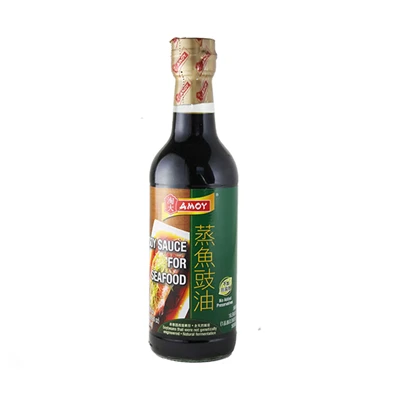
First off, let’s talk science quick to back up why this works, no stuffy textbook jargon. Vegetarian dishes often lack what’s called umami, that fifth taste that’s savory and satisfying, right? You get sweet from fruit, sour from citrus, salty from table salt, bitter from kale, and that weird tangy zing from vinegar, but umami is the glue that ties all those together. Good quality soybean sauce—okay, mine, but really most well-fermented ones—are packed with umami compounds like glutamic acid. Studies even show that adding umami to veggie dishes cuts down your need for extra salt by up to 30% (I swear I’m not making this up—food science folks have tested this). That’s a win for your taste buds and your blood pressure, no joke.
Now, let’s get into actual dishes you can make, no snobby chef stuff here. We’re talking weeknight-friendly, stuff you can whip up in 20 minutes max.
Take roasted veggies, for example. Everyone roasts veggies, but most people just toss ’em in olive oil and salt. Boring. Next time, swap half that salt for a splash of light soybean sauce and add a tiny pinch of smoked paprika. Let me walk you through it: chop up some zucchini, bell peppers, and sweet potato (sweet potato is key here, it gets caramelized perfectly), toss in olive oil, 1 tbsp of soybean sauce, and that paprika, then roast at 400°F for 25 minutes. The soybean sauce doesn’t just add salt—it caramelizes on the edges, makes the zucchini taste rich and savory, and cuts the sweetness of the sweet potato so it doesn’t feel cloying. I tested this last week with my roommate who swears she hates roasted veggies, and she ate three servings. No exaggeration.
Then there’s one-pan veggie pasta. Not the fancy truffle kind, the kind you make after a long day. Cook your pasta al dente, drain it, and while the pot’s still warm, add a tbsp or two of dark soybean sauce, a handful of spinach, some cherry tomatoes, and a sprinkle of parmesan (or nutritional yeast if you’re vegan). Wait, let that sit for a minute—the soybean sauce will coat every strand of pasta, add that deep, savory kick that plain tomato pasta is missing. I add a tiny bit of black pepper too, but that’s optional. This takes 10 minutes, and it’s way better than any takeout veggie pasta I’ve had. And since we’re on the topic of pasta, let’s talk about lentil pasta. It has that earthy, sometimes bitter taste, right? A little soybean sauce balances that out so it’s not overwhelming.
What about grains? I used to eat plain brown rice every day until I started mixing in soybean sauce. Instead of making plain rice, sauté a minced garlic clove in a bit of olive oil, add your cooked rice, and stir in 1-2 tsp of soybean sauce, maybe a handful of frozen peas. The umami from the sauce makes the rice taste like it has depth, not just starch. Quinoa is the same way—so dry on its own! A splash of soybean sauce and some roasted chickpeas (tossed in a little more sauce) turns it into a filling, flavorful bowl that doesn’t taste like rabbit food.
Oh, and let’s not forget the underrated side dishes. Garlic bread, but make it veggie and way better. Take a crusty baguette, spread a mix of butter, minced garlic, and a teaspoon of soybean sauce (yes, really), then bake it. The sauce cuts through the richness of the butter, adds that umami, and makes the garlic taste sharper, not just greasy. I made this for a game night last month and people were asking for the recipe. Even my cousin who’s a total meat lover went back for seconds.
Wait, what about soups? Vegetable soup can be so blah. Next time you’re making a tomato or pumpkin soup, stir in a tablespoon of soybean sauce at the end. It amplifies the tomato’s sweetness or the pumpkin’s nuttiness without altering the flavor. I tested this with a butternut squash soup a few weeks ago—my sister said it tasted “restaurant quality” and had no clue I’d added soy sauce. That’s the magic, right? It enhances, not overpowers.
I know some people worry about gluten, so I’ll shout out that if you’re gluten-free, just go for tamari— it’s basically the same thing, made without wheat, and it works just as well. Don’t let dietary restrictions hold you back here.
Now, let’s get real about what makes my soybean sauce different from the cheap stuff you buy at the grocery store. A lot of mass-produced soy sauces are loaded with additives, preservatives, and even extra sugar that mutes that real umami flavor. The good stuff is fermented—usually for months, sometimes even years—and that fermentation is where all those good compounds come from. When you use a quality soybean sauce, you’re not just adding salt, you’re adding depth that makes every bite feel intentional.
I say this as a supplier, but also as someone who’s been experimenting with veggie dishes for years—this isn’t a gimmick. I’ve seen it work for home cooks, for friends, even for my own family. The key is to not overdo it. Start small, taste as you go, because a little goes a long way. 1 teaspoon can make a difference for a small serving, 2 tablespoons for a whole dish. You don’t want it to taste like you dumped a bottle of sauce on veggies, that’s a turnoff.
Look, vegetarian eating doesn’t have to be boring. If you’re stuck, give these tricks a shot. Roasted veggies with a splash of my soybean sauce, one-pan pasta, that garlic bread—all easy, all delicious. And if you’re someone who’s always looking to level up your veggie game, or you’re a restaurant owner wanting to make your vegetarian menu stand out, I’d love to chat. We can talk about bulk orders, sample sizes, whatever you need to get you started. No pressure, just good food that tastes amazing.

So next time you’re staring at your fridge wondering what to make that’s not the same old thing, grab that soybean sauce (or reach out to me for a good one) and give these a try. You might just be surprised how a simple splash can turn your veggie dishes from “meh” to “let me make this again tomorrow.”
Vinegar References
- Institute of Food Technologists. Umami: The Fifth Taste That Enhances Flavor and Reduces Sodium Intake. Food Technology, 2019.
- American Chemical Society. Role of Fermented Soy Products in Umami Flavor Development. Journal of Agricultural and Food Chemistry, 2021.
- Academy of Nutrition and Dietetics. Tips for Flavoring Plant-Based Dishes to Improve Palatability and Nutrient Intake. Journal of Nutrition Education and Behavior, 2022.
Fudijia (Tianjin) Supply Chain Co., Ltd.
As one of the most professional soybean sauce manufacturers and suppliers in China, we’re featured by quality products and low price. Please rest assured to wholesale bulk soybean sauce made in China here from our factory. For pricelist, contact us now.
Address: 301-2-1C, Jin Bin Jie Zuo, No.98, Huanghai Road, TEDA, Tianjin, China
E-mail: condiment@hjlfoods.com
WebSite: https://www.icondiments.com/
