As a stone monolith supplier who spends most days surrounded by 2-ton granite chunks, 3-foot sandstone slabs, and the kind of kids’ curious questions that make even jaded construction guys pause, I get asked this all the time. Last month, I had a group of 4th graders from the local elementary school come through the warehouse—their teacher had signed them up for a “rocks and history” field trip, and half of them thought monoliths were just really big boulders left behind by Santa’s reindeer. By the end of the two-hour visit, they could tell granite from basalt, explain how Stonehenge’s sarsen stones were moved (even if their first theory was “giant hamsters”), and one kid asked if we could make a tiny monolith for their hamster cage. That’s when I realized: learning about monoliths doesn’t have to be boring textbook stuff. It doesn’t have to be all dry geology or dusty archaeology. There are totally child-friendly ways to do it, and they’re way more fun than filling out a worksheet. Stone Monoliths
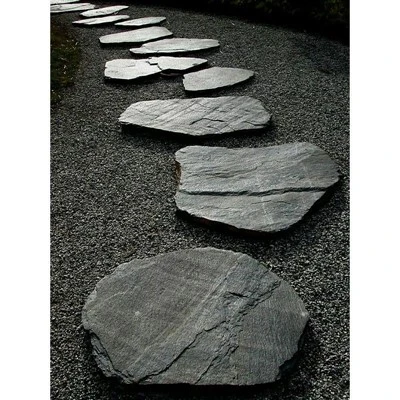
Let’s start with the basics: what even is a monolith, anyway? The fancy definition is “a large single upright block of stone, especially one shaped into or serving as a monument.” But for kids, it’s simpler—think of it as a really big rock that someone (or nature) moved, carved, or stood up for a reason. The coolest part? Monoliths have been around forever, from the ones that are millions of years old (like Devil’s Tower in Wyoming, which is a volcanic plug that solidified and eroded) to the human-made ones like the obelisks in Egypt or, yes, the ones we ship out every week for gardens, parks, and memorials. The key here is to meet kids where they are—use things they already care about, and tie every lesson back to something relatable, not just facts.
First up: hands-on mini-monolith building. Kids love building things, right? And the best part is, you don’t need a ton of space or expensive supplies. At the warehouse, we do a little version of this with river rocks, mortar mix, and small wooden stakes. We give each kid a bucket of smooth river rocks (we pick ones that are light enough for small hands, no sharp edges), a small paper cup of quick-drying mortar, and a tiny wooden stake to act as a “foundation.” We show them how to stack the rocks, dab a little mortar between each one to hold it together, and then stand it up in a dish of extra mortar to make sure it’s stable. I always make a point to talk about the real monoliths while we build—like how the ancient Egyptians didn’t have mortar like we do for their obelisks, they just cut the stone so perfectly it fit together. A 7-year-old last week stacked three rocks to make a tiny monolith and said, “Wait, so Stonehenge is just a really big version of this? That’s sick.” Way better than memorizing a list of obelisk facts. For parents or teachers reading this, if you can’t get to a stone supplier, grab some large smooth rocks from the backyard, a bag of play sand, and some water-based play clay. No need for real mortar—play clay works just fine for a mini project. Just make sure to supervise if kids are handling small rocks, and teach them a quick safety rule: always have an adult help carry even small rocks, because even a 5-pound rock can hurt a toe if it drops.
Next: monolith scavenger hunts. Kids are obsessed with scavenger hunts, and this is a perfect way to turn a walk around the neighborhood or a trip to the park into a lesson. First, pre-teach them a few simple signs of monoliths so they know what to look for. We talk about three types: natural monoliths (rocks that are upright and large, like a big boulder standing on its own), human-made memorial monoliths (like the stone slabs at a local veteran’s park), and decorative monoliths (the kind you see in fancy backyard gardens—those are the ones I sell, by the way). Make a checklist for them with simple things to spot: 1) A rock that’s taller than your knee, 2) A rock that looks like someone might have carved a word or shape into it, 3) A natural rock that stands all by itself, not part of a cliff. At the end of the hunt, give a small prize—like a sticker of a dinosaur or a rock. We did this with the 4th graders and they found a natural monolith in the woods behind the warehouse, a memorial monolith at the town square, and even a decorative stone pillar at a neighbor’s house. When they pointed out the decorative one, one kid asked, “Do you sell those?” which was my quiet win for the day. Scavenger hunts work because they get kids moving, not sitting at a desk. They’re using their eyes, their brains, and they’re invested because they’re looking for something specific, not just wandering around.
Then: storytime and role-playing with monolith myths. Kids love stories, and monoliths have tons of them. Natural monoliths are often part of local folklore—Devil’s Tower isn’t just a volcanic plug; in Lakota tradition, it’s a bear’s claw that scraped the rock when it chased girls up the mountain. The obelisks in Egypt were said to be the bones of the sun god Ra, or markers to guide the dead to the afterlife. Human-made monoliths like Stonehenge are the focus of so many myths—some say it’s a temple built by Merlin the magician, others say it’s a graveyard for kings. We do a role-play activity at the warehouse where kids pick a monolith, pick a myth about it, and act it out. A group of kids did a skit about Merlin moving Stonehenge with magic, using PVC pipes as “magic sticks” and a big foam rock as the stone. It’s not just fun—it teaches them that monoliths aren’t just rocks; they have meaning to people, even thousands of years ago. I always make a point to add a little “real fact” twist at the end of the skit: “By the way, historians think Stonehenge’s stones were dragged 20 miles to the site on wooden sleds, not magic.” It balances fun with science, so they’re learning without even realizing it. For teachers, you can grab picture books about monoliths (there are some great ones for elementary kids) and have a storytime, then let the kids draw their own myth about a made-up monolith.
Another thing: geology for kids, made simple. Kids are natural scientists—they’re always asking “why?” and “how?” Monoliths are perfect for teaching basic geology because they’re big, easy to see, and there are so many different types. At the warehouse, we have sample chunks of granite, basalt, limestone, and sandstone, all cut small enough for kids to hold. We let them feel them, run their fingers over the grain, look at the tiny crystals in granite. We talk about how granite is “cooled from deep under the earth’s crust,” like a rock that took forever to bake in an oven, and basalt is “cooled from lava, fast like a popsicle freezing.” Then we tie that to real monoliths: Devil’s Tower is basalt, so that’s why it has those tall, vertical columns from cooling lava. Stonehenge’s sarsen stones are sandstone, which is a sedimentary rock made of tiny sand grains pressed together. We even have a little activity where we make “fake rock” in class: mix flour, water, and food coloring to make a paste, press it into a mold, and let it dry. It’s a simple way to show how sedimentary rocks form, and it’s hands-on so they remember it better than just hearing it. The key here is to skip the big words at first, or explain them in kid terms. Instead of saying “igneous rock,” say “rock that came from lava or magma.” Instead of “sedimentary,” say “rock that’s made of tiny pieces of other rocks stuck together.”
Wait, and don’t forget the modern monoliths too! A lot of people might think monoliths are just ancient, big historical ones, but that’s not true. Every day, we make custom monoliths for people: a memorial stone for a loved one, a centerpiece for a backyard garden, a marker for a hiking trail. Last year, we made a set of small monoliths for a elementary school’s playground—they’re used as balance beams and landmarks for games like “monolith tag.” That’s a great way to teach kids that monoliths aren’t just things that are thousands of years old; they’re things we can use today, and things that can have meaning for our own families and communities. At the warehouse, we show the kids pictures of the custom monoliths we’ve made, and ask them what they’d want a monolith for. One kid said, “A monolith that holds all my trophies,” which is a great idea—imagine a big stone shelf for trophies, made from the same granite we use for big projects. It helps them see that stone is durable, that it can last forever, which is why monoliths have been around so long.
I know some people might say, “Kids are too young to learn about monoliths—they’ll just get bored.” But the field trip I had last month proved that wrong. Those kids weren’t bored; they were asking questions, they were touching the rocks, they were excited to learn. The best part is, you don’t need a museum or a trip across the world to do this. You can do it in your own backyard, at a local park, or at a stone supplier like us. The key is to make it relatable, hands-on, and fun—tie everything to things kids care about: games, building, stories, their own families.

If you’re a parent, teacher, or scout leader looking for a hands-on activity about monoliths, or if you’re interested in custom monoliths for your school, park, or home, don’t hesitate to reach out. We love working with kids on educational projects, and we’re always happy to answer questions about stone, monoliths, or anything rock-related. Whether you need small samples for a classroom project, custom monoliths for a community space, or just want to bring a group out for a guided tour, we’re here to help. Let’s make learning about monoliths something kids actually look forward to, not just another worksheet.
Stone Monoliths References:
- National Park Service. (2022). Devil’s Tower Geology and History. U.S. Department of the Interior.
- Hawkes, J. (2018). Stonehenge: The New Science. Thames & Hudson.
- Lakota Nation Historic Preservation Office. (2020). Traditional Stories of Devil’s Tower. Oglala Lakota College.
- American Geosciences Institute. (2021). Geology for Kids: Rocks and Minerals. AGI Education.
- UNESCO World Heritage Centre. (2019). Thebes and its Necropolises – the Site of Ancient Thebes. United Nations Educational, Scientific and Cultural Organization.
Orin International Trade Co., Ltd.
With abundant experience, we are one of the most professional stone monoliths manufacturers and suppliers in China. We warmly welcome you to wholesale custom made stone monoliths from our factory. If you have any enquiry about cooperation, please feel free to email us.
Address: No.3-1, Shangzhongdi Natural Village, Hexian Village, Shuangta Sub-district, Jiangshan City, Quzhou City, Zhejiang Province
E-mail: atlas@orinstone.com
WebSite: https://www.orinstone.com/
