If you’ve ever stood next to a newly installed concrete pole, you’ve probably not thought much about the heavy steel mold that shaped it — but that mold is the unsung workhorse of every concrete pole machine. As someone who’s been in the concrete pole machine supply business for 12 years, I’ve talked to dozens of customers who bought machines and molds only to regret it later, all because they skipped the small, critical steps of picking the right mold. A bad mold doesn’t just make ugly poles; it causes cracks, uneven finishes, and premature wear on your machine, costing you time, money, and even customers on construction projects. Today, I want to walk you through the key things I teach every new buyer when they’re choosing a mold for their concrete pole machine — stuff I’ve learned from fixing bad molds, troubleshooting machine breakdowns, and working with hundreds of small and large pole manufacturers. Concrete Pole Machine
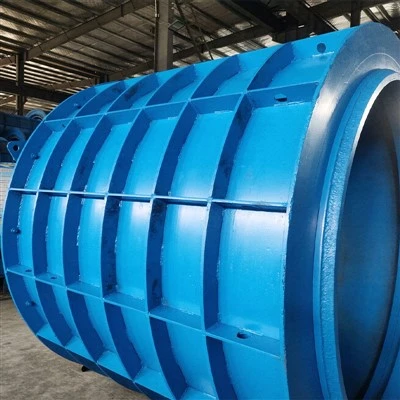
First, let’s start with the most basic question: what kind of pole are you actually making? This isn’t a “one size fits all” job, and I can’t tell you how many times a customer has come to me with a cheap, imported mold that’s supposed to work for both street light poles and utility poles — and it doesn’t. Concrete poles come in different lengths, diameters, wall thicknesses, and even taper angles (that’s the gradual narrowing from bottom to top, by the way). For example, a small street light pole might be 6 meters long, with a 190mm bottom diameter and a 100mm top diameter, while a high-voltage utility pole could be 12 meters long, with a 300mm bottom diameter and a 150mm top diameter. If your mold doesn’t match these specs exactly, your pole will be the wrong size, which means it won’t fit the hardware it’s supposed to hold — like light fixtures or power line brackets — and it’ll get rejected by contractors. Some customers try to get a “universal” mold to save money, but that’s a false economy. A mold calibrated for a single pole type will hold its shape better, produce more consistent poles, and last longer than a mold that’s designed to be adjustable for 5 different pole sizes. The adjustable parts on a universal mold are almost always weaker, and they warp or shift after a few uses, leading to uneven wall thicknesses and cracks. If you’re planning to make multiple pole types, it’s better to buy a separate mold for each one, or at least invest in an adjustable mold from a reputable supplier that designs the adjustment mechanism with durability in mind.
Next, material quality is non-negotiable for concrete pole molds. You might see steel molds that are made from thin, low-grade steel being sold for half the price of a mold from a trusted supplier, and I can tell you from experience: that’s not a deal. Concrete is heavy, abrasive, and when you spin it in a centrifugal casting machine (which is how most concrete poles are made), it exerts massive force on the inside of the mold. Thin steel will bend, develop dents, and start leaking slurry (the wet concrete mixture) after just 50 to 100 uses. High-quality molds are made from medium-carbon steel, usually with a thickness of 6mm to 8mm, depending on the pole size. Thicker steel costs more upfront, but it can last 500 to 1,000 uses without significant wear, which means you’ll save money in the long run because you won’t have to replace it every few months. Another thing to look for is the steel’s surface finish. The inside of the mold should be precision-machined and coated with a release agent-friendly material — some suppliers use a galvanized coating or a powder coat that makes it easy to slide the cured pole out without chipping or damaging it. If the inside is rough or pitted, the concrete will stick, and you’ll have to use pry bars to get the pole out, which can cause cracks that make the pole unsafe for use. I once had a customer who bought a cheap mold from a local supplier; after 30 uses, the inside was so rough that 20% of their poles had surface defects, and they lost a $50,000 contract with a municipal road department because of it. They ended up replacing that mold with a medium-carbon steel one from our company, and they haven’t had a defect-related issue since.
Then there’s the design of the mold, especially the end caps and the lifting mechanisms. The end caps are the parts that seal the top and bottom of the mold during centrifugal casting. If they don’t seal tightly, slurry will leak out, which reduces the pole’s density and strength — a big problem for poles that have to hold up to wind, ice, and heavy loads. The best end caps are made from the same high-quality steel as the main mold body, and they have rubber gaskets that are sized to fit perfectly, with a locking system that’s easy to tighten and doesn’t wear out quickly. Some low-quality molds use flimsy end caps that are held on with bolts that strip after a few uses, leading to leaks. The lifting mechanism is another overlooked part. You’ll need to move the mold onto your concrete pole machine for casting, lift it off when the pole is cured, and transport it to the storage area. A mold with weak or incorrectly placed lifting lugs can bend or even drop during lifting, which is a safety hazard and can damage both the mold and the pole. The lifting lugs should be welded to the main body of the mold, not just bolted on, and they should be positioned symmetrically so the mold balances evenly when lifted. If you’re working with a small team that doesn’t have a lot of heavy lifting equipment, look for molds that are designed to be lightweight but still durable — some suppliers use a ribbed design on the outside that adds strength without making the mold too heavy.
Another critical factor is compatibility with your existing concrete pole machine. Even if a mold meets all the spec requirements for your pole, if it doesn’t fit your machine, it’s useless. Centrifugal casting machines come in different sizes, with different mounting points for molds, different rotational speeds, and different power requirements. For example, a mold designed for a machine that spins at 30 RPM won’t work on a machine that spins at 50 RPM, because the centrifugal force will be too high, causing the mold to deform or the concrete to separate unevenly. Before you buy a mold, make sure you share your machine’s model number and technical specs with the supplier, and ask them to verify that the mold is compatible. Some suppliers offer custom molds to fit specific machine models, which is a great option if you have an older or specialized machine that’s not common in the market. I always recommend that customers test a mold on their actual machine before making a large purchase, if possible. Most reputable suppliers will let you run a small trial casting with a sample mold, so you can check for leaks, fit, and pole quality. If a supplier refuses to do that, it’s a red flag — they’re probably selling a mold that’s not tested or doesn’t meet real-world needs.
Don’t forget about long-term support and after-sales service. A mold is a long-term investment, and you’re going to need parts for it eventually — replacement end caps, gaskets, bolts, and other wear items. If you buy a mold from a supplier that’s based abroad and doesn’t have a local support network, you could wait weeks or months for a replacement part, which will shut down your production line and cost you thousands of dollars in lost revenue. A good supplier will keep a stock of common mold parts, offer on-site maintenance if you need it, and provide clear instructions for cleaning, storing, and repairing your mold. Cleaning is especially important: if you leave wet concrete in the mold after use, it will harden and cause scratches or cracks on the inside, reducing the mold’s lifespan. A reputable supplier will give you a maintenance guide with step-by-step instructions for cleaning, lubricating, and storing the mold, as well as tips for extending its life. Some suppliers even offer training on how to adjust the mold for different pole sizes or fix minor issues, which is invaluable if you’re new to the concrete pole business.
I also want to mention safety, which is something that’s often overlooked when choosing a mold. Concrete pole manufacturing is a high-risk industry, with heavy machinery, rotating parts, and wet concrete. The mold should be designed with safety features: locking systems that can’t accidentally come loose during casting, rounded edges to prevent cuts, and lugs that are positioned so there’s no risk of pinching fingers during lifting. Cheap molds often skip these features to cut costs, which puts your team at risk of accidents. I’ve seen a worker get seriously injured when a flimsy end cap came loose during centrifugal casting, because the locking mechanism was weak and the supplier didn’t prioritize safety. Don’t let a lower price lead to a preventable injury — always check that the mold meets industry safety standards for concrete manufacturing equipment.
At the end of the day, choosing the right mold for your concrete pole machine isn’t just about picking the cheapest option. It’s about thinking about your current production needs, your long-term growth, the quality of the poles you want to make, and the support you’ll get after the sale. I’ve seen customers save a few thousand dollars upfront on a cheap mold, only to lose tens of thousands in defective poles, production downtime, and replacement costs. On the flip side, a well-designed, high-quality mold that fits your machine perfectly can help you produce consistent, safe poles, meet delivery deadlines, and build a reputation with contractors and municipalities.

If you’re in the market for a new mold, or if you’re looking to replace an old one that’s giving you problems, I’m here to help. I’ve spent 12 years working with concrete pole manufacturers of all sizes, from small local shops to large national contractors, and I can walk you through the entire process: from determining the right pole specs for your projects, to recommending molds that fit your machine, to offering maintenance tips that will help your mold last for years. We also offer trial castings so you can test the mold before you make a commitment, and we keep a full stock of spare parts so you never have to wait for repairs. Investing in the right mold is one of the best decisions you can make for your concrete pole business — it’s the foundation of every pole you produce, and it’s what will help you grow and succeed. If you’re ready to talk about your specific needs, reach out to us to start a conversation about finding the perfect mold for your concrete pole machine.
Rebar Cage Welding Machine References
Concrete Plant Precast Technology. "Centrifugal Casting of Concrete Poles." Precast Concrete Structures Design and Practice, 2019, pp. 145-162.
Steel Founders Society of America. "Specifications for Steel Molds in Precast Concrete Manufacturing." SFSA Technical Report, 2021.
International Association of Structural Precast Producers. "Safety Standards for Precast Concrete Pole Manufacturing Equipment." IASPP Safety Guide, 2020.
Jiangsu Zhongjian Concrete Machine Equipment Co., Ltd.
As one of the most professional concrete pole machine manufacturers and suppliers in China, we’re featured by high quality customized products. Please feel free to wholesale high quality concrete pole machine for sale here from our factory. Welcome to contact us for pricelist.
Address: Chengbei Industrial Park, Jiangdu District, Yangzhou City, Jiangsu Province
E-mail: JSZJTJ2026@163.com
WebSite: https://www.zhongjianmach.com/
