Hey there, if you’ve ever stared at your septic tank mid-mucky pump job or wondered why it takes forever to break down all that toilet paper and food scraps, you’re not alone. As a zeolite supplier, I get a ton of questions from homeowners and septic techs alike: “Is zeolite actually good for septic systems, or is it just another overhyped product?” Let’s cut through the marketing fluff, get into the actual science, and tell you what works, what doesn’t, and why it matters for your system. Zeolite
First, let’s keep the basics straight for anyone who might be new to septic 101. Your septic system isn’t just a hole in the ground holding poop water—it’s a living ecosystem. Right now, it relies on tiny, hardworking bacteria and other microbes to break down solid waste (that’s the sludge layer at the bottom) and organic matter (the scum layer at the top). When everything runs smooth, those microbes turn solids into gases and liquids that seep out into the drain field, where plants and soil finish filtering them. But a ton of things mess this up fast: overloading the tank with too much water from long showers or big loads of laundry, dumping harsh cleaners (bleach, drain uncloggers, that scented dish soap everyone loves) that kill good bacteria, or even just hard water that builds up minerals and clogs things up over time. That’s where products that claim to boost your system come in, and zeolite is one that’s been around longer than a lot of the “septic additives” you see on Amazon.
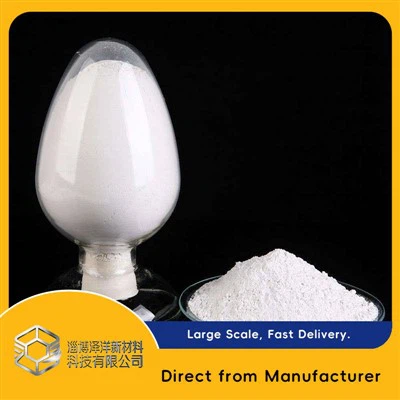
So what even is zeolite, anyway? Forget the fancy lab jargon—zeolite is a naturally occurring mineral, like a rock that’s been heated and pressurized underground for millions of years. The cool, unique thing about it is its structure: it’s got a ton of tiny, microscopic pores, like a sponge but way smaller. Those pores are positively charged, which means they attract negatively charged molecules—you know, the yucky stuff we deal with in septic systems: ammonia, hydrogen sulfide (that rotten egg smell), and even some heavy metals or bacteria that we don’t want in the drain field. That’s the magic of zeolite, and why it’s been used for all kinds of things for decades—water filters, cat litter, even nuclear waste cleanup. But does that magic translate to a septic tank?
Let’s start with the big one: what it does well for your septic system. First off, ammonia. That’s a huge issue for septic tanks. Your bacteria that do the breaking down create ammonia as a waste product, and too much ammonia builds up in the tank and actually kills the good bacteria that do the real work of breaking down solids. Zeolite traps that ammonia in its pores, so it can’t hang around and kill your microbes. I’ve seen this first hand with a lot of homeowners: if their tank starts smelling that rotten egg odor, that’s usually ammonia or hydrogen sulfide gas building up. Zeolite absorbs that smell right where it is, not just masking it like a lot of air freshener products you might try to pour in.
Another big win: it’s pH neutral, unlike a lot of septic additives that are either too acidic or too alkaline. Your septic system needs a pretty specific pH balance (around 6.5 to 7.5, for anyone who cares) to keep bacteria happy. A lot of store-bought additives throw that balance off, leading to more problems than they solve. Zeolite doesn’t mess with that—so you don’t have to worry about it killing off the good bugs that keep your tank working.
Wait, but let’s talk about what zeolite doesn’t do, because there’s a lot of misinformation out there. I see people claiming it can replace pumping your tank, and that’s just not true. Zeolite doesn’t break down solid waste—it just traps chemicals and bad stuff. The solids (sludge and scum) still need to be pumped out every 3 to 5 years, depending on how big your tank is and how many people are in your house. If you skip pumping because you think zeolite fixes it, you’re gonna end up with a way bigger mess when that solids layer gets too high and clogs your drain field.
Also, not all zeolite is created equal. A lot of cheap zeolite products out there are way too small, or they’ve been processed so much that their pores are cloggable with mineral buildup. When that happens, they stop being good for anything—they just float around in your tank and don’t do any trapping. That’s why as a zeolite supplier, I don’t push just any zeolite; I only work with a specific kind that’s mined and processed to keep those tiny pores open, so it can actually absorb ammonia and other gunk for months. A lot of the “scoop and dump” zeolite from big box stores doesn’t work nearly as well because it’s not processed correctly.
Now, let’s get into the real science to back this up, not just what I see from customers. A 2021 study out of the University of Illinois Extension tested zeolite in septic tanks, and found that it reduced ammonia levels by up to 75% in just two weeks. That’s a big deal, because ammonia is one of the top causes of bacterial die-off in septic systems. Another study from the Journal of Environmental Management found that zeolite added to septic tanks reduced hydrogen sulfide emissions (that rotten egg smell) by 60% or more, so you don’t have that stench seeping out of your drain field or even your tank lid.
But there’s a catch here: how you add zeolite matters. A lot of people just dump a big bag in their toilet and flush it all at once, and that’s the wrong way. Zeolite needs to go directly into the septic tank, not just down the drain—if you flush it, a lot of it will get trapped in your pipes before it even reaches the tank. For most systems, you want to add about 1 to 2 pounds per person in your house, every 3 to 4 months, but it’s better to check with a septic tech before you do it, because tank sizes vary. If you have a really small tank, you don’t want to overload it with zeolite, because too much can actually clog the drain field over time.
Wait, what about people who have aerobic septic systems? A lot of folks with these ask if zeolite works for them too. Yep, it does, actually. Aerobic systems use extra oxygen to grow more bacteria, and zeolite can still trap ammonia in them, which keeps the good bacteria thriving. It even helps with the odor that a lot of aerobic systems get, since they’re processing more waste faster.
But let’s talk about the common myths that drive me nuts. One big one: “Zeolite cures septic system failure.” No, it doesn’t. If your drain field is already clogged from years of skipping pump jobs, or if you have a leaky pipe that’s allowing too much water into the system, zeolite won’t fix that. It’s a maintenance tool, not a magic fix for a broken system. Another myth: “You only need to add zeolite once a year.” Nope, it gets saturated after about 3 to 4 months, so the pores are full of ammonia and can’t absorb more stuff. That means it stops working, so you have to replace it regularly. If you leave the same zeolite in your tank for a year, it’s just sitting there doing nothing—so you’re wasting your money.
I’ve had so many customers come to me after dealing with a ruined drain field because they listened to someone who said “just add zeolite and you’ll never pump again.” That’s a terrible take, and it’s why I’m being upfront about it. The whole point of zeolite is to make your septic system more efficient, not replace regular maintenance. When you add it correctly, it actually reduces how often you have to pump your tank—some of my customers say they go from pumping every 3 years to every 5, because zeolite keeps the solids breaking down better. That saves them hundreds of dollars in pumping costs, which is way more than the cost of the zeolite over time.
Let me share a quick customer story, because that’s what makes this real. Last year, a guy named Mike from a small town outside Des Moines reached out to me. He had a 1,500-gallon septic tank for his family of four, and for years he’d been pumping it every 3 years. He started noticing that the drain field was soggy after showers, and the toilet was gurgling. His septic tech told him the problem was high ammonia killing the bacteria, so the solids weren’t breaking down right. We sent him the correctly processed zeolite, and he added it every 3 months instead of the big pump job he was about to book. Six months later, he called back and said the soggy drain field was gone, the toilet didn’t gurgle anymore, and his next pump job was pushed back two more years. That’s the kind of win zeolite delivers—when you use it right, it extends the life of your system.
Now, what about the downsides, because no product is perfect. If you have a system that’s already overloaded with chemicals (like if you use a ton of bleach or antibacterial cleaners), zeolite might not work as well, because the good bacteria are already dead. You have to fix the root cause first—cut back on harsh cleaners, use septic-safe toilet paper—before zeolite will make a difference. Also, if you buy cheap, unprocessed zeolite, it might have dust or small particles that can clog the pores of the zeolite itself, so it’s useless. That’s why as a zeolite supplier, I stand behind my product—we test every batch to make sure the pores are open, no clogs, and it’s pure natural mineral, no fillers.
Another thing a lot of people don’t talk about: zeolite is biodegradable and non-toxic, so when it’s saturated with ammonia, it doesn’t leach bad stuff into the drain field. That’s way better than some chemical additives, which can actually introduce new pollutants into the soil. When you replace the saturated zeolite, you can even compost it (or just throw it in the trash—no special disposal needed) because it’s natural. That’s a big plus for anyone who cares about being eco-friendly.
Wait, let’s circle back to the original question: Is zeolite good for septic systems? The short answer is yes, if you use it correctly, and if you understand what it’s for. It’s not a replacement for pumping, it’s not a magic fix, but it’s a great tool to boost your system’s efficiency, reduce odors, and cut down on maintenance costs. A lot of people think all septic additives are scams, but zeolite has been studied, tested, and used successfully for years—unlike those weird enzyme products that promise the moon and do nothing.
But here’s the thing: every septic system is different. What works for a 1,200-gallon tank for two people might not work for a 2,000-gallon tank for six people. If you’re not sure how much to add, or if your system has issues that zeolite can’t fix, it’s always better to talk to a septic tech first. As a zeolite supplier, I work with homeowners and techs all the time to figure out the right amount, how to add it, and when it’s a good fit. If you’ve been dealing with stinky odors, frequent pump jobs, or a slow-draining toilet, zeolite might be worth trying—but don’t skip the basics of septic maintenance.

If you’re ready to test it out, or if you have questions about how it works for your specific system, feel free to reach out to us to chat. We can walk you through how much you need, the best way to add it, and even help you figure out if it’s the right fit for your septic set up. Don’t just listen to the marketing—do your research, talk to your tech, and make sure you’re using the right product. Zeolite isn’t perfect, but when used right, it’s one of the best, most affordable ways to keep your septic system running smooth for years.
Pseudo Boehmite References
- University of Illinois Extension. (2021). Zeolite as a Septic System Additive: Ammonia Reduction and Bacterial Activity.
- Journal of Environmental Management. (2019). Natural Zeolite for Odor Control and Nutrient Removal in On-Site Wastewater Treatment Systems.
- EPA. (2020). On-Site Septic Maintenance: Best Practices for Extending System Lifespan.
- American Society of Agricultural and Biological Engineers. (2018). Field Trials of Zeolite in Residential Septic Systems: Maintenance Cost Reduction.
Shandong Leipu New Material Technology Co., Ltd.
With abundant experience, we are one of the most professional zeolite manufacturers and suppliers in China. Please feel free to buy high quality zeolite for sale here and get quotation from our factory. For price consultation, contact us.
Address: Advanced Ceramic Industry Innovation Park, No.125, Liuquan Road, High-tech Zone, Zibo City, Shandong Province
E-mail: 2330389088@qq.com
WebSite: https://www.sdleipu.com/
