If you’re here browsing for a high pressure pump for your garden, you’re probably sick of the same generic tools that get the job done but leave you wasting time, water, and patience. I’ve been supplying high pressure pumps for years, so I’ve talked to hundreds of gardeners—from small backyard veggie plot owners to folks with half-acre ornamental gardens and even the odd hobbyist with a little fruit orchard. Most of you don’t need a fancy industrial unit, but picking the wrong pump? That’s a nightmare: it sputters mid-pressure washing, wastes 10 gallons of water per 5 minutes, or can’t handle even a stubborn patch of moss on your patio. Let’s break this down like we’re grabbing a coffee and going over what actually works, no jargon, no fluff. High Pressure Pump
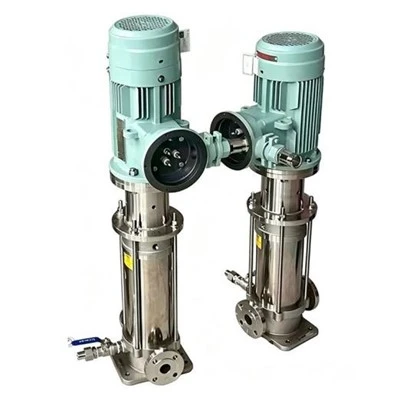
First, stop and ask yourself: what the hell are you actually using this pump for? I can’t tell you how many times someone walks in and says “I need a high pressure pump” without knowing if they’re using it to power a drip irrigation system, pressure wash their fence, blast mold off their deck, or spray fertilizer on 100 tomato plants. Each use case changes everything, and picking the wrong one is like buying a sledgehammer to hang a picture—overkill or not enough, either way it’s a waste.
Let’s start with the most common garden uses, because that’s 90% of the requests I get. If you’re into irrigation, specifically drip or sprinkler systems, you don’t need 3000 PSI. That’s overkill. For drip, you’re usually looking at 10-50 PSI max—any higher and you’ll blow holes in your tubing, waste water, and end up with a soggy mess. If you’re doing sprinklers, like pop-up sprinklers for a lawn, you want something around 30-80 PSI. That’s enough to get even a large lawn watered evenly without pooling. Now, if you’re the type who uses their pump for cleaning? Like pressure washing your patio, deck, garden furniture, or even removing moss/weeds from walkways? Then you’re going to need something higher, usually 1500-3000 PSI. I’ve seen folks try to use an irrigation pump for this, and they’re left standing there for 20 minutes scrubbing a single spot while their neighbor blasts it in 2.
Wait, and what about water source? That’s a huge detail people skip, and it’s the #1 reason pumps die prematurely. Are you hooking this up to a municipal water tap (city water) or a well, rain barrel, or pond? City water is consistent pressure, usually 40-60 PSI, so most pumps will handle that without a problem. But if you’re drawing from a well or a rain barrel that’s gravity-fed, you need a pump with a self-priming feature. Self-priming means it can pull water from a source that’s below the pump, instead of needing to be filled manually every time. I’ve had customers buy a pump without self-priming, hook it up to their rain barrel on the ground, and wonder why it won’t turn on—turns out, they had to pour water into the pump’s inlet to prime it, which no one remembers to do. That’s a $200 mistake, so don’t skip this step.
Next, flow rate. I know, another term, but it’s not that scary. Flow rate is measured in gallons per minute (GPM), and it’s just how much water the pump moves in a minute. For irrigation, you need to calculate the total GPM of all your sprinklers or emitters. Most small sprinklers use 1-2 GPM, so if you have 10 sprinklers, that’s 10-20 GPM total. So you want a pump that can deliver at least that, maybe a little extra to avoid straining it. For cleaning, it’s a bit less critical, but if you’re washing a large deck in one go, you want a pump with at least 1.5 GPM—anything lower will make you move the wand every 10 seconds, and that’s just annoying.
Wait, let’s talk about power type, because garden power outlets can be weird. Most residential pumps are electric, which is fine, but you have to check your outlet. If you’re using it far from the house, you need an extension cord that’s heavy enough gauge—too thin, and the pump won’t get enough power, so it loses pressure. I’ve seen people use a 50-foot cheap extension cord for a 1500 PSI pump, and it runs at 1000 PSI max—total waste. If you have a large garden, or you’re working on a fence that’s 50 feet from the outlet, get a 14-gauge or thicker cord, not that 16-gauge stuff that’s for a lamp. Alternatively, there are gas-powered pumps, which are great if you have no outlet nearby, or you’re using it for cleaning a lot—gas models have more power, but they’re louder, need gas, and require a bit more maintenance. I only recommend gas if you’re not within 50 feet of an outlet, otherwise electric is cheaper, quieter, and easier to maintain.
Now, quality vs. price. This is where everyone gets tripped up. You can buy a high pressure pump at the big box store for $50, and it’ll work for 2 uses, then break. Or you can buy one from a reliable brand for $150-300, and it’ll last 5+ years with basic care. Let me give you an example: a guy came to me last month with a $40 pump he bought from a hardware store, it died after 3 pressure washes of his patio. The problem was the pump was made with cheap plastic internals, no thermal overload protection—so when it ran for more than 10 minutes, it overheated and burned out. The $200 pump he bought from us has metal valves, thermal protection, and a warranty—he still uses it 2 years later, no issues. I get it, no one wants to spend extra, but a pump is a tool, and a cheap one is a waste of money in the long run.
Wait, specific features to look for, because not all pumps are the same. Let’s list the ones that matter for gardens: thermal overload protection—this is non-negotiable. If the pump runs without water (like if your rain barrel runs empty mid-use), it won’t burn out immediately. Built-in pressure regulator—so you don’t accidentally crank it up too high and blow your sprinkler lines or hurt yourself. A trigger wand with an adjustable nozzle—you can switch from a fine spray for seedlings to a high pressure jet for cleaning. And if you’re doing a lot of different tasks, look for a pump that can handle both irrigation and light cleaning—you don’t need two separate pumps for that.
Also, maintenance, because even the best pump won’t last if you neglect it. For electric pumps, drain the water after each use, especially in cold weather—if water freezes inside, it cracks the engine. Clean the filter regularly—clogged filters reduce pressure by 30% or more. For gas pumps, change the oil every 50 hours, check the spark plug—same as a lawnmower, easy stuff that takes 10 minutes. I tell all my customers: if you take 2 minutes to do a quick check after each use, your pump will last 3x longer.
Wait, let’s go over a quick cheat sheet, because I know you’re scrolling and don’t want to re-read all that. If you’re using it for: Drip irrigation (10-50 PSI, 1-5 GPM), sprinkler lawn (30-80 PSI, 5-15 GPM), patio/deck cleaning (1500-2500 PSI, 1.5-2.5 GPM), weed/moss removal (2000-3000 PSI, 2-3 GPM). That’s the basic range to narrow down your search.
I should also mention common mistakes I see all the time. First, buying too much PSI. You don’t need a 3000 PSI pump for a small lawn—you’ll just waste water, put unnecessary strain on the pump, and risk damaging your plants. Second, ignoring the GPM, even for cleaning. A 1000 PSI pump with 2 GPM will clean a deck way faster than a 2500 PSI pump with 0.5 GPM, because it’s moving more water. Third, not checking compatibility with your water source. If you’re using a well, get self-priming—end of story, don’t try to force a non-self-priming pump to work, you’ll regret it.
One more thing: accessories. The right nozzle makes a huge difference. For plants, use a 25-40 degree nozzle—gentle enough for seedlings, strong enough to wash off dust. For cleaning, a 0-15 degree nozzle (but be careful with that, it can etch wood or concrete if you hold it too close). Also, a quick connect fitting makes switching nozzles way faster, instead of twisting and fumbling every time.
Look, I get it, picking a pump feels overwhelming at first, but it’s not rocket science. You just need to answer three questions: What am I using it for? Where am I getting water from? How far is this from a power outlet? Once you have those answers, you can narrow down the options, skip the cheap junk, and get a pump that actually works for your garden.

If you’re still not sure what you need, or you want to compare options, hit us up for a procurement chat. We don’t do pushy sales stuff, just straight talk about what’ll work for your specific setup, no hidden fees, no fancy jargon. Don’t waste another summer fighting a pump that doesn’t deliver—let’s get you set up with the right one, so you can spend more time gardening and less time troubleshooting tools.
Turbo Expander References:
- American Society of Agricultural and Biological Engineers. (2021). Design Guidelines for Garden Irrigation Pump Systems.
- Pressure Washing Industry Association. (2022). Residential High Pressure Pump Specifications for Garden and Outdoor Use.
- University Extension Horticulture Department. (2020). Water Flow and Pressure Requirements for Common Garden Tasks.
- Consumer Reports. (2023). Guide to Buying High Pressure Pumps for Residential Outdoor Applications.
Hangzhou Turbo Energy Technology Co., Ltd.
As one of the most professional high pressure pump manufacturers and suppliers in China, we’re featured by quality products and good price. Please rest assured to buy advanced high pressure pump made in China here from our factory. We also accept customized orders.
Address: C712, Block C, Westlake International Science and Technology Building, Huaxing Branch Road, Xihu District, Hangzhou, Zhejiang, China.
E-mail: sales@turboenergytech.com
WebSite: https://www.hangzhouturboenergy.com/
