Hey there, fellow industry folks and curious readers! If you’ve ever stumbled into a plastic factory, a packaging plant, or even a custom leather goods shop, you’ve probably seen solvent dyes at work—they’re those bright, vivid colors that stick around no matter what, right? As someone who’s been in the solvent dye game for over a decade now, sourcing, testing, and supplying these bad boys, I get asked a ton: “What’s next for solvent dyes? Aren’t they just… a ‘been there, done that’ product?” Spoiler alert: Nope. They’re evolving faster than I can keep up with, and honestly, the future of solvent dyes is way more exciting than anyone gives them credit for. Let’s break this down like we’re hanging out at a trade show booth with a cold soda (the only way to do industry talk). Solvent Dye

First off, let’s get one thing straight: solvent dyes aren’t going anywhere because they solve problems other dye types can’t. Unlike water-based dyes, they dissolve in oils, alcohols, and other non-polar solvents, which makes them perfect for stuff like hydrocarbon-based plastics, waxes, and some coatings that hate water. But the old “just mix and color” approach? That’s dead. The trends shaping their future are all about three key areas: sustainability, customization, and tech integration. Let’s start with the big one everyone’s yelling about—sustainability. The dye industry has long gotten flak for being, let’s be real, kind of messy. Traditional solvent dyes relied on heavy metals and toxic solvents that were garbage for the environment, and that’s been a hard nut to crack. But here’s what I’m seeing right now: we’re moving away from those old-school formulations like it’s a burning building. A lot of chemists I work with (shoutout to the lab team at our facility who test this stuff nonstop) are developing “green solvent dyes” that use bio-based solvents instead of petroleum ones, and skip the heavy metals entirely. I tested a batch last year made from plant-derived raw materials—wait till you see the color payoff. It’s just as bright as the old metal-based stuff, but when it’s done being used, it biodegrades way better. No more worrying about that plastic toy sitting in a landfill for 500 years still being bright red because it has toxic dye leaching out.
But sustainability isn’t just about raw materials—it’s about how the dyes perform. That’s the second trend: better durability without the toxic stuff. Old solvent dyes would fade if you looked at them wrong, especially if they were used in outdoor products. Now we’re seeing dyes with enhanced lightfastness and heat stability that can handle everything from 100°F sun exposure to the hot extrusion process for plastic pipes. I had a client making outdoor patio furniture last quarter who switched to our new stable solvent dye and cut their product return rate for color fading by 70%. That’s not just good for the planet—it’s good for their bottom line, too. Another big sustainability win? Reduced waste. New dye formulations have higher solubility, so less gets wasted during the application process. No more leftover dye sludge you have to dispose of properly; these guys mix more evenly, so you use exactly what you need.
Next up, customization. Let’s be real—today’s customers don’t want “one size fits all” colors. When I first started, we had maybe 50 standard solvent dye shades, and if you wanted something custom, it took 6 weeks and cost an arm and a leg. Now? That’s changing fast. The rise of niche products—think custom smartphone cases, luxury leather goods, even specialty ink for 3D printing—has created a demand for tailor-made solvent dyes. What’s wild is that tech is making this easy. We now use digital formulation software that can tweak color ratios and properties (like solubility or heat resistance) in days, not weeks. Last month, a startup making custom 3D printed decor hit us up needing a solvent dye that worked with their specific biodegradable PLA resin and had a matte finish instead of a shiny one. We had a sample ready in 48 hours, and they placed a large order a week later. No more waiting around; customers want color that matches their exact product, not the other way around. Even big brands are jumping on this—major packaging companies are using custom solvent dyes to match their brand’s exact palette on flexible films, and that’s a trend that’s only going to grow.
Third, and maybe the most game-changing right now, is tech integration. Solvent dyes are no longer just a color additive—they’re becoming part of smart products. Wait, what? Let me explain. Imagine a plastic label that changes color when it’s overheated (perfect for food packaging to show something’s been spoiled), or a leather goods dye that glows under blacklight for anti-counterfeiting. That’s all solvent dye tech. We’ve been working on a line of thermochromic and photochromic solvent dyes that use the same base chemistry as our standard dyes, so they mix the same way but change color based on temperature or light. A client in the automotive industry just tested these for interior trim—they wanted seats that would lighten up if they got too hot to protect the leather from sun damage. It works like a charm, and they’re going into full production next year. Even traceability is getting a boost—new solvent dyes have unique molecular markers that let brands track their products from factory to shelf, which is huge for fighting counterfeiting in high-value goods like luxury leather or pharmaceuticals. No more fakes getting past the system; these dyes leave a unique fingerprint only detectable with specific tools.
But let’s keep it real—there are still hurdles, right? The biggest one is regulatory stuff. A lot of countries are cracking down on chemical use, especially in consumer products that touch food or kids. The EU’s REACH regulations, for example, have restricted a bunch of old solvent dye chemicals, so we’ve had to adapt fast. But that’s not a bad thing—forcing us to innovate means we’re making safer products anyway. Another hurdle is price. The new bio-based and custom dyes are still a bit more expensive upfront, but the long-term savings (less waste, fewer returns, compliance with regulations) make it worth it. I tell every client I work with: think of it as an investment, not a cost. The old “cheap” dyes that cause problems down the line? They’re more expensive in the long run.
Now, let’s talk about what this means for my role as a solvent dye supplier. I’m not just selling a powder or a liquid anymore. I’m selling solutions. When a client comes to me, I don’t just say “here’s red dye.” I ask about their product, what it’s made of, where it’s going to be used, and what their needs are. Do they need something that works in oil-based inks? Outdoor plastic? Custom furniture? That’s how I tailor what I give them. And honestly, that’s what’s keeping solvent dyes relevant. A lot of people sleep on them because water-based dyes are more common for textiles, but solvent dyes fill gaps water-based can’t. Water-based dyes might work for cotton, but if you’re coloring a PVC pipe, or a wax candle, or a marker ink that needs to glide smoothly on plastic? Solvent dyes are your only option. That niche is only getting bigger as industries expand.
Wait, let’s also chat about the demand side. I’ve seen a huge uptick in demand over the last three years, especially from industries I didn’t expect. The rise of e-commerce means more custom packaging, which needs durable, vibrant colors that hold up during shipping. The 3D printing boom—both industrial and consumer—needs dyes that work with all sorts of resins. Even the cannabis industry (shoutout to those custom glass pipes and packaging) uses solvent dyes that are safe for food contact. People think solvent dyes are old, but they’re popping up in all these new places. And as more industries realize they can’t rely on water-based alternatives, that demand’s only going to climb.
So what does all this add up to? The future of solvent dyes isn’t just “more colors” or “better durability.” It’s sustainable, customized, tech-integrated colors that solve real problems for real industries. It’s moving past the old toxic formulations to something that’s good for businesses and the planet. It’s giving customers exactly what they want, when they want it, instead of forcing them to fit into a pre-made box.
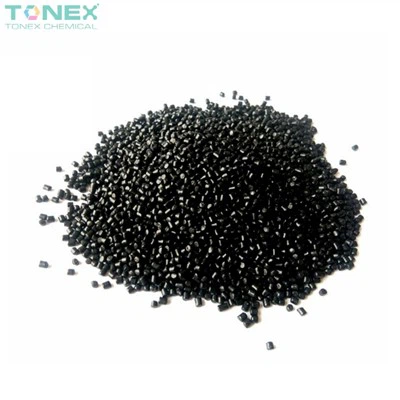
Now, if you’re someone who’s reading this and thinking “hey, I use solvent dyes, or I need a new supplier,” hit me up. Whether you’re a small startup making custom 3D prints, a big packaging company, or someone who just needs a dye that works for a weird, specific project, I’m here to help. We don’t do one-size-fits-all, and we’re always testing new formulations to keep up with what the industry needs. No sales fluff, just straight talk and quality products. Let’s chat about what you’re working on, and figure out how solvent dyes can work for you.
White Masterbatch References
- Global Solvent Dyes Market Analysis & Trends, ChemAnalyst, 2023
- Sustainable Dye Formulations: Advances in Bio-Based Solvent Dyes, Journal of Applied Polymer Science, 2022
- Custom Color Formulation for Industrial Materials, Industrial Coatings Magazine, 2024
- Smart Dyes for Traceability and Functional Applications, Advanced Functional Materials, 2023
Jinan Tonex Chemical Co., Ltd.
We’re well-known as one of the leading solvent dye manufacturers and suppliers in China. With abundant experience, we warmly welcome you to buy bulk high quality solvent dye for sale here from our factory. For price consultation, contact us.
Address: No.3699 Huayuan East Road, Jinan, Shandong, China
E-mail: yama@tonexchem.com
WebSite: https://www.tonexoba.com/
