If you’ve ever walked through a paint shop—whether it’s a large automotive refinery, a small industrial custom paint facility, or a warehouse bay for aerospace component finishing—you know the air hangs thick with more than just the scent of lacquer or primer. Paint shops are hazardous environments, filled with volatile organic compound (VOC) fumes, fine paint mist, and flammable solvent vapors that can ignite with a single spark, even a tiny one from a faulty light bulb. For years, high-voltage incandescent and fluorescent lights were the default here, but as a LED explosion-proof light supplier, I get asked this question constantly: Can LED explosion-proof lights actually work in paint shops? LED Explosion Proof Light
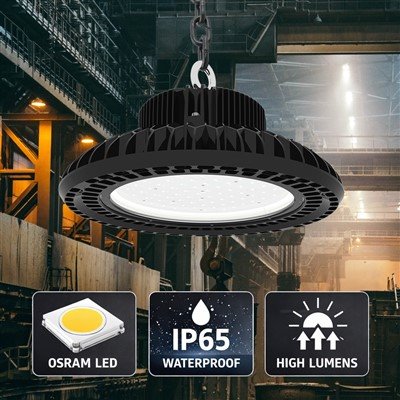
The short answer is a resounding yes—and they’re rapidly replacing outdated lighting solutions for good reason, as I’ve seen firsthand after years of helping facilities upgrade their hazardous area lighting. But let’s break this down beyond the surface, because the “why” matters, especially if you’re a facility manager weighing a switch, or a fellow supplier wondering how to communicate value to these specific end-users.
First, let’s ground this in the core rule of any hazardous area: ignition sources must be eliminated, or at least contained, so they can’t spark a fire or explosion. Paint shops fall under Class I, Division 1 or 2 locations per OSHA and NEC standards, a classification that refers to areas where flammable gases or vapors are present in quantities high enough to cause an explosion under normal operating conditions. That means every piece of equipment in the space has to be rated to prevent that energy from escaping and igniting the surrounding atmosphere.
Traditional lights in paint shops always had a gap here. Incandescent bulbs produce extreme heat—up to 2,700 degrees Fahrenheit—so even a small crack in the glass housing could let hot debris escape, or a broken bulb could ignite settled solvent mist. Fluorescent lights, while cooler, have their own risks: old magnetic ballasts can arc, and if the bulb breaks, mercury isn’t the only hazard; the glass shards can also ignite vapors, and the light itself isn’t durable enough for the constant movement, cleaning, and harsh chemicals of a paint shop.
LED explosion-proof lights solve this problem at the source. The “explosion-proof” label isn’t just a marketing term—it’s a certification. Every unit I supply is tested and rated to contain any internal ignition (from an electrical fault, for example) so it can’t reach the flammable atmosphere outside the housing. That housing isn’t just a tight seal, either; it’s built to withstand external impacts, corrosion from paint solvents, and extreme temperature swings common in paint bays. But the LED part is what makes these lights uniquely suited to paint shops, not just generic explosion-proof lights.
Let’s start with heat. LEDs run at a fraction of the temperature of incandescents—most high-quality LED units I offer top out at 100 to 150 degrees Fahrenheit. In a paint shop, where vapors are already a risk, this is a game-changer. There’s no danger of a light surface hot enough to ignite a stray mist, and even if the housing gets covered in overspray (a constant in paint environments), it won’t heat up enough to catch fire. I’ve seen facilities use cheaper non-explosion-proof LEDs in paint shops in the past, and they failed quickly—not because of the LED itself, but because the non-rated housing cracked from solvent exposure, letting heat escape and creating a hazard. That’s why the explosion-proof rating is non-negotiable here; it’s not just about safety, it’s about compliance.
Next, energy efficiency and cost. Paint shops operate 12, 16, even 24 hours a day, six or seven days a week. The average 400-watt metal halide light traditionally used in paint shops draws a lot of power, and has a short lifespan—usually 10,000 to 15,000 hours, which means replacing bulbs monthly or bi-monthly, especially in high-ceiling bays where access is difficult. A 150-watt LED explosion-proof light I supply produces the same or brighter light output, uses 60% less energy, and lasts 50,000 hours or more. That’s four times longer than traditional lights, so maintenance costs (labor, parts, downtime) drop drastically. For a 10-light paint shop, that’s thousands of dollars a year in savings on electricity and replacements. I had a customer in Michigan, a medium-sized automotive paint facility, switch 12 of their old fluorescent units to LED explosion-proof lights two years ago; they just told me last quarter their lighting-related electric bill was down $2,200, and they haven’t had to replace a bulb since the install.
But paint shops have unique lighting needs beyond just safety and cost. When you’re applying a clear coat to a car, or a primer to a commercial aircraft part, color accuracy matters. Traditional fluorescent lights can have a high color rendering index (CRI), but as they age, their color shifts—turning a bright white primer into a yellowish hue, which can lead to mistakes in matching paint colors. LEDs, especially the high-CRI units I offer, maintain consistent color rendering over their entire lifespan, with a CRI of 85 or higher, often 90+. That means painters can see subtle color differences, fix uneven application, and avoid rework that costs time and money. I’ve had painters tell me they notice less eye strain too, because LED light is softer than the harsh glare from metal halide bulbs, which means less fatigue during long shifts.
Another often-overlooked factor is durability. Paint shops are messy environments. Workers use heavy equipment, move spray guns, clean surfaces with harsh solvents, and the air is filled with fine paint mist and overspray that coats every surface. Cheap lights will corrode, crack, or short out after a few months in these conditions. The LED explosion-proof lights I supply are made with marine-grade aluminum housings that resist corrosion from solvents, and the glass or polycarbonate lens is shatter-proof, so if a spray gun accidentally knocks into a light, the housing doesn’t break. They’re also dust-tight, so overspray doesn’t get inside the housing and block the light or damage the LED components. I’ve seen non-rated LEDs fail in 6 months in paint shops, but my customers’ units last 5+ years with minimal cleaning—just wiping the lens down occasionally to remove overspray.
Wait, but there are common myths I still have to dispel, even from facility managers who’ve heard horror stories about LED performance in harsh environments. One big one is that LEDs can’t handle the high humidity and temperature swings of paint shops. That’s not true if they’re rated for it. I only supply LEDs with a temperature range of -40°F to 140°F, which covers the range in paint shops—some are kept cool for worker comfort, others run warm from constant operation. The integrated heat sink in every LED unit dissipates heat properly, so the diodes don’t overheat and burn out, which is why the lifespan stays consistent. Another myth is that LEDs are too expensive upfront. While a single LED explosion-proof light might cost $150 to $250, compared to $50 for a traditional fluorescent, the total cost of ownership over 5 years is half that of traditional lights. I always break that down for customers: upfront cost vs. electricity, maintenance, downtime, and replacement costs. For most paint shops, the payback is 12 to 18 months.
Safety isn’t just about compliance with OSHA and NEC, either. Paint shops have to follow National Fire Protection Association (NFPA) standards, specifically NFPA 33, which covers spray application and finishing processes. NFPA 33 explicitly requires electrical equipment in hazardous areas to be explosion-proof, and LED units are often the only compliant option that also meets energy efficiency needs. I worked with a custom paint facility in Ohio that had to pass a city safety inspection last year; their old fluorescent lights were flagged as non-compliant because of the ballast arc risk, and they switched to my LED explosion-proof lights and passed on their first try. That’s another big point: non-compliance can lead to fines, or even having to shut down operations until upgrades are done. LED explosion-proof lights eliminate that risk entirely, as long as they’re properly certified.
Now, let’s talk about installation. A lot of people assume that explosion-proof lights are hard to install, but the LED versions are actually simpler than many traditional ones. I provide wiring guides for Class I, Division 1 and 2 locations, and my team offers on-site support for customers who need help with installation. Unlike metal halide lights, which require ballast replacement every 1-2 years, LEDs are plug-and-play once wired correctly, so there’s less work for electricians, less downtime during installation. Most paint shops can upgrade their entire lighting system in a single weekend, without having to shut down operations for more than a day (as long as they schedule it during slow periods, like overnight).
I’ll be honest, not all LED explosion-proof lights are made equal. A lot of cheap generic units out there claim to be explosion-proof, but they don’t have the proper certifications, or use low-quality diodes that fail quickly in harsh environments. That’s why I only supply units tested by third-party labs, like UL or CSA, to ensure they meet the standards for Class I hazardous areas. I’ve seen a customer in Illinois buy an unrated LED light online, thinking it would work in their paint shop, and it shorted out in 2 months, almost causing a fire when a spark ignited a small vapor pocket. That’s why choosing a supplier that specializes in hazardous area lighting, not just general LEDs, makes all the difference.
So, going back to the original question: Can LED explosion-proof lights be used in paint shops? Absolutely. They’re safer, more energy-efficient, longer-lasting, improve color accuracy for painters, reduce maintenance costs, and meet all the required safety standards. The right LED explosion-proof light isn’t just a replacement for old lighting—it’s an upgrade that makes paint shop operations safer, cheaper, and more efficient.
If you’re a paint shop manager, safety coordinator, or maintenance lead looking to upgrade your lighting, I can help you assess your specific space, choose the right rated LED explosion-proof lights, and get them installed without disrupting your operations. Whether you have a small custom paint bay or a large industrial finishing facility, I have the products and expertise to meet your needs. Don’t wait for a safety inspection or a bulb failure to force an upgrade—make the switch to LED explosion-proof lighting today, and protect your team, your operations, and your bottom line.
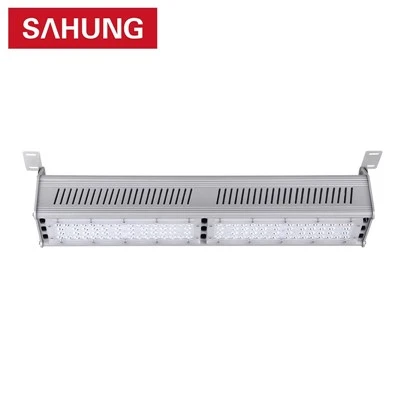
For more information about LED explosion-proof lighting solutions for paint shops, connect with me to discuss your specific requirements and arrange a consultation.
LED High Bay Light References
National Fire Protection Association. (2021). NFPA 33: Standard for Spray Application Using Flammable or Combustible Materials.
Occupational Safety and Health Administration. (2022). Hazardous Locations: Electrical Equipment.
Underwriters Laboratories. (2023). Standard for Safety for Explosion-Proof and Flame-Proof Electrical Equipment.
National Electrical Code. (2023). Article 500: Hazardous (Classified) Locations.
Hangzhou Shanghong Electronic Technology Co., Ltd.
We are one of the most experienced led explosion proof light manufacturers and suppliers in China. With a professional production team, we offer a wide range of products with superior quality. Please feel free to wholesale custom made led explosion proof light from our factory.
Address: 5F, Building A, No.7 Xiyuan 2nd Road, Xihu District, Hangzhou City, Zhejiang, China.
E-mail: sales3@sahung.com
WebSite: https://www.sahung-light.com/
