If you’ve ever worked with architectural glass, automotive design, or large-scale interior installations, you know that curved laminated glass isn’t just a material—it’s a custom component that shapes the look, safety, and longevity of a project. As a supplier who’s spent 12 years refining every step of production, I’ve seen buyers skip critical checks when picking a supplier, leading to delays, budget overruns, and even safety hazards. Today, I want to walk you through the factors that have kept our clients coming back, and that you should prioritize when vetting your next curved laminated glass partner. Curved Laminated Glass
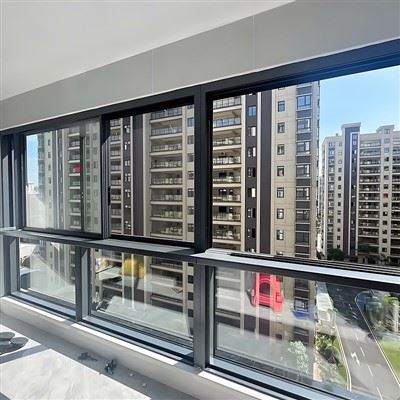
First, let’s ground this in what curved laminated glass actually is: it’s two or more glass panels bonded to a polyvinyl butyral (PVB) or ethylene-vinyl acetate (EVA) interlayer, then bent into a precise curve. Unlike flat glass, this isn’t a one-size-fits-all product. A supplier who treats it as a commodity will cut corners on quality, and that’s where problems start. That’s why the first and most important factor is their manufacturing certification and quality control (QC) protocols. I don’t just mean a general ISO 9001 stamp—though that’s a baseline. For curved glass specifically, you need certifications that apply to your region: in the U.S., that’s ANSI Z97.1 for safety glazing and ASTM E1300 for load resistance; in the EU, it’s EN 12543 and CE marking.
Early in my career, a client once hired a cheap supplier who had no third-party audits, and their first batch of curved glass had a 1.2mm mismatch in the curve radius on three out of five panels. When we tested it, the interlayer wasn’t cured evenly, so it bubbled after two months of outdoor exposure. That cost the client $120,000 in rework, not to mention the three-week delay that pushed their grand opening back. The right supplier will have a documented QC process at every stage: from cutting the glass to bending to laminating. We, for example, have three separate inspections—one after cutting, one after bending, and a final dimensional and adhesion test before shipment. A good supplier will let you review their QC checklists, and even offer to send a third-party inspector to the facility if your project is large enough. Don’t take their word for it; ask for recent audit reports.
Next, consider their bending technology and range of capabilities. Curved glass isn’t just “curved”—it can be single-curved (like a window arch), double-curved (like a car windshield or a custom architectural dome), or even triple-curved for unique designs. Bending glass is a delicate process: too much heat, and the glass warps; too little, and the curve is inconsistent. There are two main bending methods: gravity bending, where glass is heated and dropped into a mold, and press bending, where a mold presses into heated glass. Gravity bending is better for large, gentle curves, while press bending works for tight, precise double curves.
A supplier who only uses gravity bending won’t be able to handle complex designs, and they’ll likely cut corners by using molds that are worn out. We invested in new CNC-controlled bending presses five years ago, which let us hold a curve tolerance of ±0.5mm on both single and double curves—something many older suppliers can’t do. Also, ask about their maximum size and thickness capabilities. If your project needs a 10-foot-wide curved panel, a supplier whose largest mold is 8 feet won’t be able to deliver, or will have to splice panels, which can weaken the structural integrity and look messy. We regularly handle panels up to 12 feet wide, with thicknesses from 6mm to 25mm, including low-iron glass for crystal-clear views and tinted glass for sun control. If a supplier can’t accommodate your size or curve type, they should be honest about it—not promise to make it work and deliver a subpar product.
Third, interlayer material options and quality matter more than most buyers realize. The interlayer is the “glue” that holds the glass together if it breaks, so it’s not just a filler. PVB is the most common, known for good adhesion and UV resistance, which makes it ideal for exterior applications. EVA is a newer option that’s better for curved glass because it has more flexibility during lamination, which reduces the risk of bubbles or delamination—especially for tight curves. But not all interlayers are equal: some suppliers use cheap, unbranded PVB that yellows over time, or has low puncture resistance.
We only use interlayers from certified manufacturers like DuPont and Kuraray, because their products have consistent thickness, uniform adhesion, and a 10+ year UV stability guarantee. If a supplier tries to save money by using generic interlayers, your glass could yellow in 2–3 years, or delamiante after a few harsh winters. Also, ask about interlayer customization: if you need sound-dampening interlayer for a high-rise apartment, or fire-resistant interlayer for a commercial building, a good supplier will have those options available. We stock six different interlayer types, so we can match your project’s specific needs without having to outsource the interlayer work.
Fourth, lead times and supply chain reliability. Curved laminated glass is custom, so lead times vary, but a supplier who promises 10-day delivery for a complex double-curved panel is either lying or skipping steps. Our typical lead time is 14–21 business days for standard single-curved glass, and 28–35 days for double-curved or custom orders. But what happens when there’s a delay? A reliable supplier will communicate proactively—they’ll tell you if a mold breaks, if there’s a raw material shortage, and give you a revised timeline, instead of waiting until the day before delivery to tell you it’s late.
Also, consider their raw material sourcing. Glass is a heavy, fragile material, so shipping costs can add up. If a supplier sources their glass from a faraway mill, their prices will be higher, and lead times will be longer. We source glass from three regional mills, which lets us cut shipping costs by 18% and reduce lead times by 5–7 days. If a supplier can’t tell you where they get their glass, or if they have only one supplier, that’s a red flag. A single-source supply chain means if that mill has a shutdown, your order will be stuck. Also, ask about their packaging: curved glass is more prone to damage in transit, so a good supplier will use custom crating with foam padding and wooden supports to hold the curve in place. We’ve had zero transit damage in the last three years because of our custom crating process, which we designed after a client had a $8,000 panel break during shipping.
Fifth, cost transparency and warranty terms. It’s easy to just pick the cheapest quote, but curved glass is an investment, and the lowest price usually means lower quality. A supplier who gives you a quote without breaking down the costs is hiding something—maybe they’re using cheaper interlayers, or older equipment that requires more rework. A transparent quote should list the glass type, interlayer type, curve tolerance, size, and shipping costs. We always send a detailed breakdown, so our clients know exactly what they’re paying for.
Also, warranty is non-negotiable. A reputable supplier will offer a minimum 5-year warranty against defects in lamination, curve accuracy, and interlayer adhesion. We offer a 10-year warranty on all our products, because we’re confident in our work. If a supplier only offers a 1-year warranty, they’re not standing behind their product. Read the fine print: some warranties cover only manufacturing defects, not damage from improper installation or external factors, but a good supplier will work with you if there’s an issue that’s their fault. We once replaced a batch of glass for a client who had minor delamination after four years, even though our warranty was for 10, because we take long-term client relationships seriously.
Finally, customer support and collaboration. Curved laminated glass is custom, and you might have questions mid-project: do we need a specific edge finish? Can we add a digital print to the glass? A good supplier will have a dedicated account manager who works with you from the initial design stage to delivery. We have account managers who are trained in glass design, so they can help you adjust your curve if it’s not feasible with our equipment, or suggest a better interlayer for your project. Too many suppliers treat you like an order number, not a partner. For example, a client once sent us a design for a curved glass staircase that had a very tight radius. Our account manager noticed that the design would create stress points in the glass, so we worked with their architect to adjust the radius slightly, which prevented potential breakage during installation. That collaboration saved the client from a disaster.
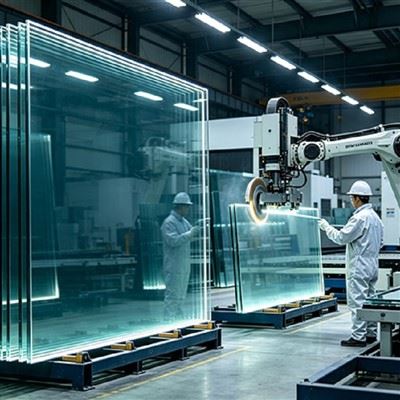
I’ve been in this industry long enough to know that choosing a curved laminated glass supplier isn’t just about price—it’s about quality, reliability, and trust. If you’re ready to move forward with your project and need a partner who prioritizes these factors, we’re here to discuss your needs, review your design, and provide a transparent quote that fits your budget. Don’t hesitate to reach out to start a conversation that will set your project up for success.
Fire Rated Glass References
- American National Standards Institute (ANSI). (2020). Safety Glazing Materials and Methods of Test for Glazing. ANSI Z97.1.
- ASTM International. (2019). Standard Practice for Loading Glass Panels in Buildings. ASTM E1300.
- European Committee for Standardization. (2021). Glass in Building – Laminated Glass and Laminated Safety Glass. EN 12543.
- Kuraray Co., Ltd. (2022). Interlayer Materials for Architectural Glass: UV Stability and Performance Guidelines. Product Technical Bulletin.
- DuPont Safety and Construction Materials. (2021). PVB Interlayer Technical Handbook for Laminated Glass Applications.
Suzhou Dingcheng Tempered Glass Co., Ltd.
As one of the most professional curved laminated glass manufacturers and suppliers in China, we also support customized service. We warmly welcome you to wholesale high quality curved laminated glass made in China here from our factory. If you have any enquiry about free sample, please feel free to email us.
Address: No.777 Limin North Road, Lili Town, Wujiang District, Suzhou City, Jiangsu Province
E-mail: Dingchengglass@163.com
WebSite: https://www.dingchengglass.com/
