If you’re here, odds are you’ve spent way too much time staring at your mechanical keyboard, wondering why some keycaps feel like sliding butter under your fingertips while others make you want to type with boxing gloves on. Spoiler: I’ve been there too. As someone who’s been in the keycaps game for years—supplying everything from budget sets to premium custom runs—I get the difference between a “meh” typing session and one that feels like a total vibe. Today, let’s cut through the marketing fluff and talk about the real deal: what actually makes a keycap surface smooth (not just “smooth” in a product description), and which ones you should be eyeing if you’re tired of that sticky, gritty, or just plain weird feeling mid-type. Keycaps
First off, let’s kill a common myth: smoothness isn’t just about the plastic it’s made from. Yeah, material plays a huge part, but there’s way more to it—how the keycap is molded, finished, and even how you use it matters. Let’s break this down like we’re geeking out over our favorite keyboard parts (which, let’s be real, we are).
Starting with the material, because that’s the base. The most common keycap plastic is ABS (acrylonitrile butadiene styrene) and PBT (polybutylene terephthalate). I know, I know—you’ve heard the ABS vs PBT debate a million times, but let’s get specific about smoothness here. Cheap ABS keycaps, the ones that come pre-installed on $50 keyboards, are usually smooth at first. But they get that shiny, oily finish after a few months of use from your skin oils—people either love that (it’s like a well-worn baseball glove) or hate it (it feels like you’re typing on a greasy plate). Wait, but premium ABS? We’re talking about sets made with higher-grade resin, tighter molding, and no cheap fillers. Those can stay smooth for years without going glossy in a bad way. We’ve carried a few premium ABS sets in our shop, and customers always comment on how they don’t get that weird sticky residue even after heavy use.
Then there’s PBT, the other big one. A lot of folks swear PBT is more durable, but when it comes to smoothness, regular old PBT is actually a little textured right out the gate. It’s not rough—more like a subtle, matte “grip” that’s great for fast typists or gamers because your fingers don’t slip. But if you want super smooth PBT, you have to look for sets that got an extra polishing step. Oh, and there’s also things like PC (polycarbonate) for translucent keycaps—those are really smooth because they’re molded to be crystal clear, no added texture, though they can scratch easier than ABS or PBT.
But here’s the part most people miss: molding and finishing. Even if you use the best PBT on Earth, if the mold has tiny imperfections (like leftover plastic flash, or uneven walls), that will make the surface feel gritty no matter what. We work with a few manufacturers that run their molds on high-end, precision machines—so when the keycaps come out, they’re already uniform. Then there’s finishing processes. Sandblasting is common for matte PBT, but over-blasting can make it rough. Polishing, either wet or dry, is where you get that next-level smooth feel. We’ve had some custom order runs where we do a light dry polish after molding, and those keycaps feel like glass under your fingers—no texture, no drag, just pure smoothness.
Wait, and let’s not forget about dye-sublimation vs. double-shot molding. Those are the two main ways keycaps get their legends (the letters/symbols on them). Does that affect smoothness? Absolutely. If a keycap is pad-printed, the ink sits on top of the plastic, so over time it can wear down, and you might get little bits of ink flaking off that make the surface feel bumpy. Dye-sublimation, on the other hand, infuses the dye right into the plastic, so the surface is totally uniform—no raised ink, no rough patches. Double-shot molding is even better: the legends are made from a second layer of plastic molded right into the keycap, so again, no ink on top to wear down or catch. We’ve had more customers complain about pad-printed keycaps feeling rough after a few months than any other type—just something to keep in mind.
Now, let’s talk about which keycap types actually live up to that “smooth surface” hype, because not every set marketed as “smooth” is worth your money. First up: premium polished ABS keycaps. Like I said earlier, cheap ABS gets glossy and sticky, but high-quality ABS that’s polished after molding stays smooth, even with use. The best part? It’s not slippery to the point where you can’t type fast—just enough give that your fingers glide, not slide around. We have a line of these that’s super popular with people who type 10k+ words a day; they say it cuts down on finger fatigue because they don’t have to push as hard to move between keys.
Then there’s polished PBT keycaps. Most PBT is matte, but if you get a polished PBT set, it’s got that subtle, glass-like smoothness without being slippery. This is my personal go-to for gaming, actually—my fingers don’t slip during fast key presses, but they still glide way better than regular matte PBT. A lot of gamers sleep on polished PBT, but once they try it, they never go back. We had a customer last month who switched from a cheap ABS set to our polished PBT, and he said his W key and spacebar felt like night and day.
PC keycaps are another one, especially the thin, smooth translucent ones. These are great for custom keyboards with RGB backlighting, because they let the light shine through evenly. The surface is super smooth, but they’re not as durable as ABS or PBT—they scratch easily if you drop something on them, or if you scrape them against other hard surfaces. So if you’re someone who takes care of your keyboard, and you want that sleek, see-through look, PC is the way to go. But if you’re rough with your setup, maybe stick to ABS or PBT.
Wait, but what about keycaps with special coatings? Some brands (and we’ve tested a few of these) put a clear, hard coat on keycaps to make them more scratch-resistant and smoother. These are usually made from PBT, with a clear polyurethane or acrylic coating. The result is a surface that’s really smooth, like polished glass, but way more durable than uncoated PC. We’ve had a few customers with pets (or clumsy roommates) swear by these—they don’t scratch, and they stay smooth for years. Just make sure the coating is applied evenly; if it’s not, you might get streaks or sticky spots after a while.
Now, let’s get real about what to avoid. A lot of cheap “smooth” keycap sets (you know the ones, the $10 full sets on Amazon) use low-grade ABS with a cheap, thin finish that wears off in a month. Or they use poorly finished PBT that’s been sandblasted too hard, so it feels like sandpaper instead of matte. And stay away from any keycaps with leftover mold flash—those tiny little plastic bits around the edges will catch your fingers every time you type, and it’s annoying as hell. We check every set we receive for that, because we know how much it ruins the typing experience.
Also, a quick pro tip: how you maintain your keycaps affects their smoothness, too. If you don’t clean them for months, dirt, skin oils, and dust build up on the surface, making it feel rough and sticky. We recommend taking your keycaps off once every 3 months, washing them with mild soap and warm water, drying them completely before putting them back on—this keeps them feeling smooth for way longer. I do this with my own keyboard, and my keycaps still feel like new after two years.
If you’re a keyboard enthusiast, a builder, or just someone looking to upgrade your setup, you know that the little details matter. A smooth keycap surface might seem trivial, but it makes such a difference in how you feel while typing, gaming, or just using your computer. It’s not a luxury—it’s a small, daily upgrade that can make your whole day better.
As a keycaps supplier, we’ve spent years testing different materials, molding processes, and finishes to find the sets that actually deliver on that smoothness promise. We don’t sell anything we wouldn’t use ourselves, and that goes for all our smooth keycap lines. Whether you’re looking for polished ABS for that well-worn, glossy feel, polished PBT for the perfect mix of smooth and grip, or coated PBT for durability and sleekness, we’ve got you covered.
If you’re a builder ordering sets for your customers, or just someone looking to upgrade your own keyboard and want to chat about what’s right for you, hit us up for a采购洽谈 (wait, no, write it in English: to discuss a bulk or custom order, or just get more info on our smooth keycap sets). We’re here to help, no pushy sales stuff—just real talk about what works, what doesn’t, and why smooth keycaps aren’t just a gimmick.
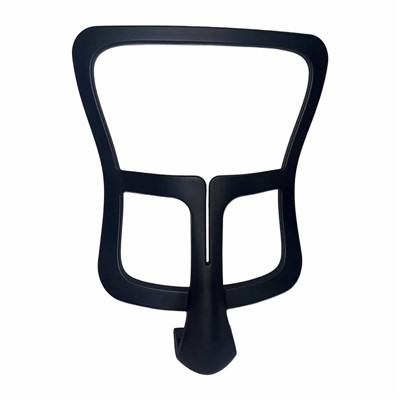
Chair Back Frame References
- Mechanical Keyboard Keycap Materials: A Deep Dive, Input Club, 2022
- Keycap Surface Finishing Techniques and Their Impact on Typing Experience, Custom Keyboard Journal, 2021
- Durability and Tactile Properties of Common Keycap Materials, PC Gamer Lab Tests, 2023
Dongguan Weihong Furniture Co., Ltd.
As one of the most professional keycaps manufacturers and suppliers in China, we also support customized service. We warmly welcome you to buy high quality keycaps made in China here and get pricelist from our factory. For price consultation, contact us.
Address: No.145, Qingzhang Road, Changshantou Village, Qingxi Town, Dongguan City, Guangdong Province, China
E-mail: 1243042726@qq.com
WebSite: https://www.whfurni.com/
