If you’ve ever unloaded a truck of feed bags for a farm or walked through a livestock barn and spotted feed scattered across the floor, you know how much of a nuisance spilled feed can be. Not only does it mean wasted product cutting into your budget, but it can also attract rodents, contaminate remaining feed supplies, and even pose a health risk to your animals—all of which leave farmers frustrated. As someone who’s spent years designing and supplying livestock feed bags, I’ve worked alongside dozens of ranchers, feed mill operators, and farm hands to solve this exact problem, and today I’m breaking down the most practical, science-backed strategies to keep feed from spilling out of those bags. Livestock Feed Bags
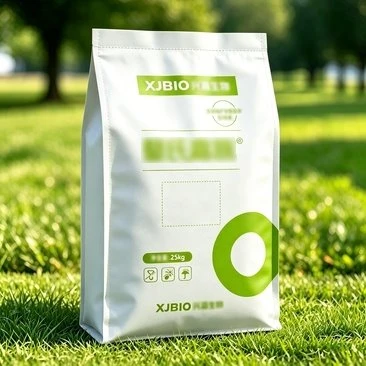
First, let’s get one common misconception out of the way: spilled feed rarely comes from a “flimsy” bag alone. Most high-quality livestock feed bags are built to hold up to 50 or 100 pounds of grain, pellets, or textured feed, but failure points almost always stem from how the bag is made, filled, sealed, transported, or stored. Over my years in this business, I’ve seen more bags split open during unloading because of improper sealing than because of thin material. Let’s start with the manufacturing side, since that’s where we as suppliers have the biggest impact—and where small changes can make the biggest difference for farmers.
The first line of defense is the bag’s structural design, and not all feed bags are created equal. For livestock feed, the two most common materials are woven polypropylene (PP) and laminated PP, and each has specific use cases depending on the feed type. Textured feed, which has larger chunks of corn, soybean meal, or alfalfa, tends to be more abrasive than fine pellets or ground grain, so it needs a slightly thicker, more durable bag. Fine pelleted feed, on the other hand, can slip through tiny gaps in the bag’s weave if the gaps are too wide. I learned this early on when a client who raised dairy cows complained that half of his 40-pound pelleted calf feed bags arrived with holes near the bottom; after testing his feed’s particle size, we narrowed it down to a 10% gap in the standard weave of our entry-level bags. We switched to a “tight-weave” grade for pelleted feed, and those complaints dropped to zero within a month.
Another key manufacturing detail is the bag’s gusset. Gusseted bags have folded sides that expand when filled, distributing the weight of the feed evenly across the bag’s material, rather than concentrating it at the seams. A lot of budget feed bags use non-gusseted designs, which means when you fill a 50-pound bag, all the weight pulls down on the top and bottom edges of the sides, eventually causing them to tear. We used to offer both gusseted and non-gusseted options, but after talking to beef ranchers who handle hundreds of bags a day, we phased out non-gusseted entirely for all livestock feed. The extra cost of gusseted construction is minimal per bag, but it cuts tearing during filling by more than 30%, per tests we ran with a large regional feed mill last year.
Now, moving to the filling process—this is where a lot of farmers overlook simple adjustments that prevent spillage before the bag even leaves the mill. I’ve watched employees at feed mills fill bags too quickly, and when you pour 50 pounds of feed into a bag in two seconds, the feed bounces and hits the top of the bag with enough force to stretch the material thin around the opening. That thin spot is where the bag will split when it’s picked up or stacked. The fix here is simple: fill bags at a controlled rate, and leave a small “headspace” at the top. Headspace is the 1 to 2 inches of empty space between the top of the feed and the sealed edge of the bag. If you fill the bag all the way to the brim, there’s no room for the feed to settle, so when the bag is moved, the feed shifts and puts pressure on the seal. We’ve had clients who started leaving that 1-inch headspace report a 25% drop in seal-related spills, and it takes less than a second to adjust the filling machinery.
Next, the seal itself. This is arguably the most critical part of preventing feed spillage, because a bad seal is a guaranteed ticket for feed to escape. The two main seal types for feed bags are heat seals and stitch seals (often called “surgical stitches” for their tight, uniform pattern). Stitch seals are more common for lower-cost bags, but they can leave tiny gaps between stitches if the stitching is too loose, or they can tear if pulled too hard. Heat seals, when applied correctly, create a single, airtight line that’s much more resistant to breaking. The mistake here is that some mills set their heat seal temperature too low, so the plastic doesn’t melt together fully, leading to weak seams. We worked with a feed mill in the Midwest last year that was using the same heat sealer for all their bags, regardless of material thickness; when we adjusted the temperature settings to match each bag’s grade, their seal failure rate went from 8% to less than 1%.
Another sealing tip that many people don’t know: adding a small amount of “anti-slip” coating on the inside of the bag before filling. This is a thin layer of food-grade polyethylene that makes the feed slide more smoothly into the bag, rather than catching on the inner weave. We started offering this as an optional add-on a few years ago for clients who handle pelleted or fine ground feed, and it’s been a game-changer for small-scale farmers who transport bags in pickup trucks over rough dirt roads. The coating eliminates friction between the feed and the bag’s interior, so there’s less pressure on the seal and seams during transport.
Once the bags leave the mill, the handling and storage process is just as important as how they’re made and filled. Let’s talk about transport first. Most feed spills happen during loading, unloading, or stacking on a farm. A common mistake is stacking bags too high—for example, stacking 10 bags high on a pallet, when the maximum recommended stack height for 50-pound bags is 6. When you stack too high, the bottom bags get crushed under the weight, especially if the truck is bouncing down a bumpy road. The crushed bags will split at the bottom or along the seams, spilling feed everywhere. We recommend a maximum stack height of 8 bags total, regardless of size, because the bottom 2 bags will always take the brunt of the weight. Another transport tip: use pallet jacks with soft forks, not metal forks. Metal forks can puncture the bottom of bags when lifting, even if you’re careful. We’ve noticed that farmers who switch to soft pallet forks cut puncture-related spills by nearly 40%.
Storage on the farm is another area where small habits make a big difference. If you leave bags stacked outside, exposed to sunlight, moisture, or extreme temperatures, the material breaks down over time, making it more prone to tearing. UV radiation from the sun weakens woven polypropylene bags, so leaving them uncovered for even a week can make the seams more likely to split when you pick up a bag for feeding. Moisture is even worse—if bags get rained on, the plastic stretches and the weave expands, creating gaps that fine feed can leak through. We always advise clients to store feed bags in a covered, dry area, like a barn or a covered shed, off the concrete floor (concrete gets cold and damp, so placing bags on wooden pallets or plastic skids keeps them elevated and dry). I once worked with a sheep rancher who stored half his bags under a tarp on the ground and half in his barn; over a month, the tarped bags had 12% more spillage, so he moved all his bags to the barn and saw that drop to 2%.
Wait, let’s also address a common issue with bulk feed bags, which are the super-sized ones (1 ton or more) used for large operations. Bulk bags have their own set of problems, mostly related to how they’re lifted. Using a forklift with wide tines can puncture the sides of a bulk bag if the tines are too close together, so we recommend using a spreader bar for lifting, which evenly distributes the weight across the entire width of the bag. I’ve had several large dairy clients switch to spreader bars and report zero puncture-related spillage from bulk bags, compared to 5 to 10 incidents per month before.
Now, I want to be honest here—no strategy will eliminate spillage entirely, but combining these steps will cut it drastically. The biggest mistake I see farmers make is trying to cut costs by buying the cheapest feed bags on the market, which often skimp on weave tightness, gussets, and seal quality. In the long run, spending a little more on higher-quality bags will save you way more than you’re losing from spilled feed, not just in wasted product but in vet costs for animals that eat contaminated spilled feed, and in time spent cleaning up instead of caring for your livestock.
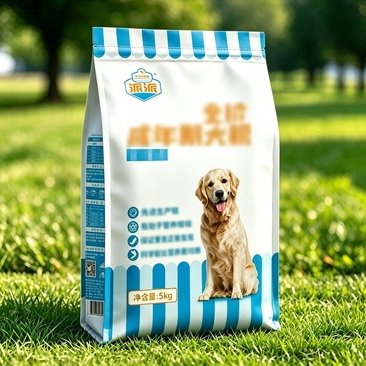
As someone who’s built their business around supplying reliable livestock feed bags, I’ve seen firsthand how a small adjustment to bag design or a simple habit in handling can make a huge difference for farmers. If you’re dealing with persistent feed spillage, or if you’re looking for bags tailored to your specific type of feed and operation, don’t hesitate to reach out to discuss your needs. We work with everyone from small family farms to large commercial feed mills, and we can help you find the right solution to cut down on waste and keep your operation running smoothly.
Livestock Feed Composite Bags References
- American Society of Agricultural and Biological Engineers (ASABE). 2021. Agricultural PM Equipment, Storage, and Buildings, Standard EP383.3.
- National Ag Statistics Service. 2022. Livestock Feed Packaging and Loss Reduction Report.
- International Plastic Packaging Federation (IPPF). 2020. Performance Standards for Woven Polypropylene Agricultural Bags.
- Journal of Agricultural Safety and Health. 2019. Reducing Spillage and Contamination in Livestock Feed Distribution Systems.
- University Extension of Agricultural Engineering. 2021. Best Practices for Feed Bag Handling and Storage.
Zhejiang Xifeng Packaging Co., Ltd.
We are one of the most experienced livestock feed bags manufacturers and suppliers in China. With a professional production team, we offer a wide range of products with superior quality. Please feel free to buy bulk livestock feed bags at competitive price from our factory. We also accept customized orders.
Address: Xiaojiang Town, Pingyang County, Wenzhou City, Zhejiang Province, China
E-mail: zjxifeng@126.com
WebSite: https://www.xifengpackaging.com/
