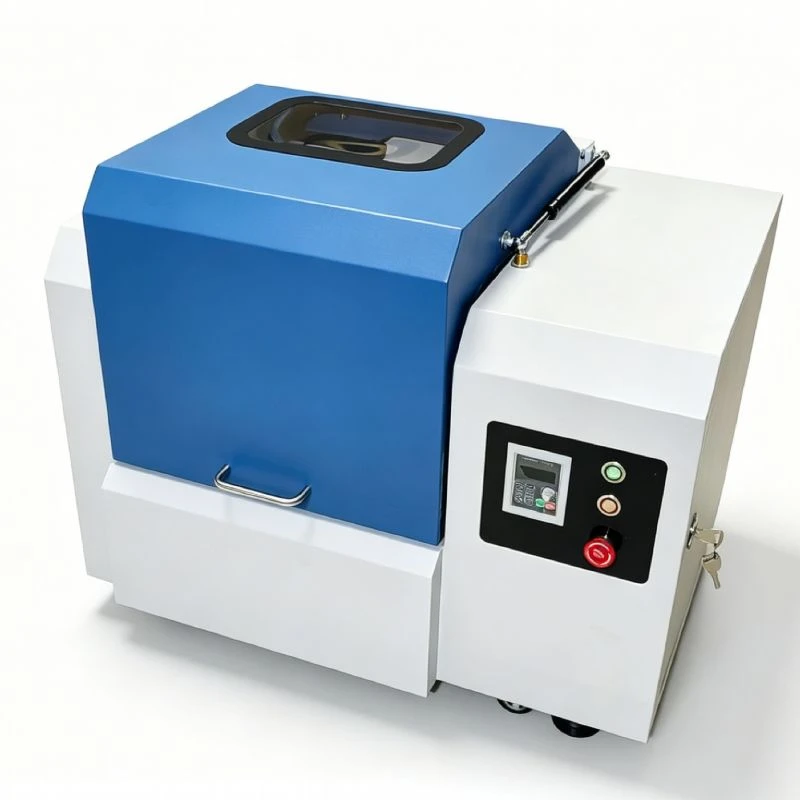
If you’ve ever run a mass finishing operation—whether it’s deburring small metal parts, polishing jewelry, or prepping 3D printed components for finishing—you know that one of the most annoying, frequent headaches you can run into is tumbling media clogging up. I’ve been in this game for over a decade, running a small, family-owned tumbling media supply business, and I’ve lost count of how many customers have called me panicking at 2 a.m. because their barrel’s not spinning right, their parts are scraping against each other instead of gliding, and their media is gunked up so bad it looks like old wet sand left in a shoe. Tumbling Media
First off, let’s get one thing straight: clogging isn’t just a “user error” problem. Yeah, sometimes it is—like if someone throws a bunch of tiny, stringy aluminum shavings into a barrel with 1/8 inch round ceramic media and doesn’t screen it first—but a lot of the time it’s tied to how the media was made, what it’s designed for, and small, easy-to-overlook steps that most people skip when they’re just trying to get their job done. I’ve seen new guys show up to a demo with a bag of mixed media they bought from the hardware store, and wonder why their 304 stainless steel parts are coming out with streaks and clumps. Newsflash: that cheap, generic corn cob media? It’s been sitting on a warehouse shelf for two years, absorbing moisture, and it’s way more prone to breaking down and clogging than a kiln-dried, graded corn cob we supply for precision finishing.
Let’s start with the most obvious fix, the one everyone forgets because it feels like extra work: pre-sort your parts and prep your load before you even add media. I can’t tell you how many customers throw a random pile of parts into the tumbler, no screening, no removing burrs that are hanging off like little hooks, and then act shocked when those burrs catch between media pieces and turn into a clumpy mess. If you’re running small parts—like those tiny pins for electronics or the tiny links on jewelry chains—you need to match your media size to your part size. That’s a science, really: general rule is media should be at least twice the size of the smallest gap between parts, and never smaller than a quarter of the smallest part you’re finishing. If you use 1/4 inch media for a part that’s 1/8 inch long? The media is going to wedge into the gaps between parts, catch on loose debris, and clog faster than a drain with hair and soap scum. Last month I had a customer in Chicago who was using oversized ceramic media for tiny hydraulic valves; once he swapped to 3/16 inch media, he cut his clog incidents by 70% in a week. That’s not a sales pitch, that’s actual feedback I got.
Next up, media maintenance and load management. This is where a lot of people cut corners, and it’s the biggest culprit behind recurring clogs. First: don’t overfill your tumbler barrel. Most people think more media = more parts processed, right? No, that’s a recipe for clogging. The sweet spot is usually 50-60% of the barrel’s total volume. If you’re cramming 80% of it full, the media can’t tumble freely— it’s pressed against itself, so any debris or broken media can’t work its way out. It just gets packed in there, turning your tumble into a compression event instead of a rolling, separating one. I had a client that was running a 50lb barrel at 75% capacity, bringing in clogged media every two weeks; once he dropped it to 55%, he only needed to change out media every six weeks. Big difference.
Then there’s rinsing and screening your media regularly. I don’t mean just a quick rinse at the end of a job— I mean a full, deep clean every 20-30 hours of run time, or whenever you start noticing parts aren’t finishing right. When media runs, it sheds tiny bits of itself, traps metal fines, polishing compounds, and even leftover part debris. If you leave that in there, it dries, hardens, and binds media pieces together. So every few runs, take the entire media load out, run it through a coarse screen (1/8 inch or whatever fits your media size) under a hose, and shake it hard to get all the gunk out. If you have a lot of metal parts, you can even soak the media in a mild, non-corrosive detergent solution for an hour before rinsing— that breaks down stubborn polishing compound residue that causes clogs. A lot of people skip this step because it’s messy, but it’s way cheaper than buying new media every month because yours is ruined.
Wait, what about the type of media you’re using? That’s where my business comes in, obviously, but I’m not going to sell you something you don’t need. Generic, ungraded media is a huge clog risk. If your media has a bunch of broken pieces or different sizes mixed in, those tiny fragments will get caught between good media pieces, create little pockets of debris, and turn into clogs. When I supply media to customers, I grade every batch to within 0.01 inches of the target size, and we remove all broken, undersized, or oversized pieces during production. That might cost a tiny bit more upfront than the generic stuff off Amazon, but I’ve had customers tell me they save 30-40% on media replacement and labor because they don’t have to clean clogs every week. Also, pick media that’s matched to your material and process. If you’re finishing soft aluminum, avoid heavy ceramic media— it’s more likely to shed tiny ceramic bits that mix with the aluminum and create a sticky, cloggy paste. For soft metals, plastic or nylon media is way better, because it’s gentler and doesn’t shed as much abrasive debris that causes clogs. For heavy deburring on steel, ceramic is great, but make sure it’s high-density kiln-fired, not the cheap porous stuff that breaks down easily.
Another thing people sleep on: water and compound levels in wet tumbling. If you’re running a wet tumble process (which most precision finishing is, to reduce heat and improve finish quality), you’ve got to get the water to media ratio right. Too much water and you get a soupy slurry that traps debris; too little water and the polishing compound dries into a thick paste that glues media pieces together. The general rule is about 1 part water to 4 parts media, give or take. And don’t overdo the polishing compound! More isn’t better here. If you dump in twice the recommended amount, the excess compound doesn’t get used on parts, it coats the media and hardens, creating clumps that don’t tumble properly. I always tell new customers to start with half the recommended compound amount, test a small load, and adjust up if they’re not getting the finish they want. Way less chance of clogging that way.
What if you’re dealing with really fine, small debris— like from sandblasted parts or 3D printed resin parts? Those tiny fines can seep into every little gap between media pieces, even if you pre-sort parts. For that, you can add a simple filter step to your process. I recommend a mesh filter (matched to your media size, so it lets debris through but keeps media in) attached to your tumbler’s drain or a separate rinse tank. Every time you rinse your media, run it through that filter, and you’ll catch all those tiny fines before they build up and cause clogs. One of my customers that does a lot of 3D printed parts was having clog issues so bad he was missing production deadlines; adding a $15 mesh filter to his rinse process fixed 90% of his problems. He actually called me to tell me he almost didn’t try it because he thought it was too simple.
Also, inspect your media regularly for wear and tear. No media lasts forever. Ceramic media breaks down over time, plastic media wears down and loses its shape, and even high-quality corn cob media will shed fine particles after 10-15 hours of use. Every few runs, pull out a handful of media and inspect it. If you see a lot of broken pieces, odd shaped chunks, or fine dust in the bottom of your barrel, it’s time to sift or replace that media. Broken media pieces are the #1 thing that causes unexpected clogs, because they’re irregularly shaped and get caught between good media. I tell customers to keep a small batch of fresh media on hand for quick top-ups too— don’t mix old, worn media with new, because the size difference will create gaps that trap debris.
Wait, I should address a common myth: some people think clogging is just part of the process, something you just have to power through. No. I’ve been doing this long enough to know that most clogging is preventable with small, consistent steps. I had a customer in Detroit a couple years back who ran a auto parts finishing shop, and he swore by his old, clog-prone process for years. After I walked him through pre-sorting parts, adjusting his water ratio, and switching to our graded ceramic media, he cut his annual labor cost for cleaning clogs by over $12,000. That’s not a made-up number— that’s what he told me on our first follow-up call after six months.
Now, let’s talk about what NOT to do, because that’s equally important. Don’t mix different types of media together. I’ve seen customers mix corn cob and plastic media “to save money” or use leftover media from a different job. Bad idea. Different media types have different densities and shapes, so they don’t tumble evenly, creating gaps where debris gets stuck and clogs form. Don’t skip screening your parts before loading, especially if they have thin edges, stringy burrs, or protruding features. Don’t run your tumbler at too high a speed— if it’s spinning so fast the media is flying against the walls, it’s not tumbling, it’s slamming, which breaks media and creates debris that causes clogs. And for the love of all that’s holy, don’t use generic, ungraded media. It’s false economy, plain and simple.
At the end of the day, preventing tumbling media clogs comes down to two things: matching your gear and materials to your specific job, and being consistent with small maintenance steps. It’s not rocket science, but it’s also not guesswork. I’ve spent years testing media, talking to customers, and refining these steps because I hate seeing people waste time and money on problems that are easy to fix.
If you’re tired of dealing with constant clogs, spending hours cleaning your tumbler instead of finishing parts, or replacing media way more often than you should, I get it. I’ve been there. My team and I work with all kinds of shops— from small jewelry makers to large aerospace part facilities— to figure out what works for their specific process. We don’t push one-size-fits-all media, we help you pick what’s right for your parts, and we even share free tips on prepping loads, maintaining media, and cutting down on clog incidents.
If you’re ready to stop dealing with tumbling media clogs, reach out and let’s chat about your operation. Whether you need to switch media types, adjust your process, or just get a second pair of eyes on what you’re doing, we’re here to help. No sales pitches, no hidden fees, just honest advice from people who’ve been in your shoes.
Magnetic Polishing Machine References
- Mass Finishing Handbook, 2nd Edition, SME, 2019
- "Optimizing Tumbling Media Performance for Precision Finishing", Journal of Materials Processing Technology, Vol. 276, 2020
- Practical Guide to Mass Finishing, American Finishing Association, 2021
- Field Study of Media Clogging in Wet Tumbling Operations, Industrial Finishing Magazine, June 2022
KS Lab Finishing Co., Ltd.
As one of the most professional tumbling media manufacturers in China, we also support customized service. We warmly welcome you to wholesale durable tumbling media made in China here from our factory. If you have any enquiry about pricelist, please feel free to email us.
Address: No.11-14, Yantian Shuibei Commercial Street, Fenggang Town,Dongguan,China
E-mail: sales@kslabfinishing.com
WebSite: https://www.kslabfinishing.net/
