If you’ve spent any time researching cabinetry for residential or commercial spaces, chances are you’ve come across the term “floating cabinet body” and wondered what sets it apart from traditional floor-mounted or wall-hung cabinet designs. As someone who’s been in the cabinet body supply industry for over 12 years, working directly with contractors, interior designers, and homeowners, I can tell you this isn’t just a trendy buzzword—it’s a functional design solution that solves a lot of common space and style pain points. Let’s break down what a floating cabinet body actually is, how it works, and why it might be the right fit for your next project. Cabinet Body
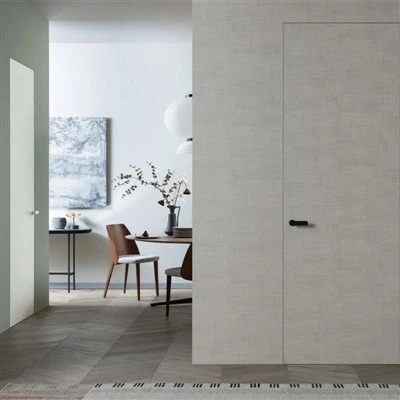
First, let’s clear up a common misconception: a floating cabinet body is not a standalone piece of furniture that hovers in midair with no support. That’s a myth spread by some glossy home design posts that skip over the engineering details. At its core, a floating cabinet body is a cabinet structure that appears to be “floating” on a wall (often in kitchens, bathrooms, or entryways) because it is mounted to the wall via hidden support hardware, with no visible legs, base, or side supports extending to the floor. The cabinet’s body itself is a rectangular, box-like enclosure—usually prefabricated from plywood, medium-density fiberboard (MDF), or solid wood—designed to hold storage, with its structural load carried entirely by wall anchors and brackets rather than floor contact.
Let’s get into the mechanics to make this tangible. Unlike a base cabinet, which rests on the floor and is secured along its back edge to the wall, or a standard wall cabinet that hangs above counters, a floating cabinet body is integrated directly into the wall’s support structure for low, counter-height or waist-height storage. For example, a floating bathroom vanity cabinet body is typically mounted 6 to 12 inches above the bathroom floor, so there’s open space beneath it for cleaning, wheelchair access, or a sleek, uncluttered look. The support system here is key: heavy-duty steel mounting brackets (hidden inside the cabinet’s top or back panel) are bolted directly to wall studs, which are spaced 16 or 24 inches apart in most residential construction. For extra large or heavy floating cabinets (like a 60-inch-wide kitchen pantry unit), we often use toggle bolts for drywall areas where studs aren’t easily accessible, ensuring the cabinet can hold 100+ pounds of stored items without shifting or failing.
Now, why would someone choose a floating cabinet body over traditional designs? Let’s walk through the practical and aesthetic benefits that have made this style a staple in both modern and transitional spaces. First, floor clearance is a game-changer for small spaces or areas that need easy cleaning. Base cabinets collect dust, crumbs, and moisture along their base edges, forcing you to get on your hands and knees to scrub or vacuum beneath them. With a floating cabinet body, there’s nothing to trap debris—you can sweep or mop in seconds, which is a huge win for busy kitchens and bathrooms. For aging in place, floating cabinets also make spaces more accessible: standard base vanities often have a 7-inch tall toe kick that’s hard to navigate with a walker or wheelchair, but a 12-inch clearance beneath a floating cabinet body lets mobility aids slide right under, making daily tasks much easier.
Aesthetically, floating cabinets create a sense of openness that base cabinets can’t match. In narrow kitchens or small powder rooms, removing the visual bulk of floor-mounted cabinetry makes the room feel larger and less crowded. Clean, uninterrupted walls feel more intentional, especially in minimalist, Scandinavian, or industrial design schemes where “less is more” is the goal. We’ve had countless clients tell us they chose floating cabinet bodies for their home offices too: a floating desk cabinet body keeps desk surfaces uncluttered, and the open space below makes small home offices feel less cramped than those with bulky desk legs.
That said, floating cabinet bodies aren’t one-size-fits-all. There are important considerations to keep in mind to ensure your installation is safe and long-lasting. First, weight capacity matters. A floating cabinet body for a bathroom vanity should hold toiletries, towels, and even small appliances, which can add up to 150 pounds or more. Cheap, thin MDF cabinets or flimsy wall brackets won’t support that—so always source cabinets from a supplier that uses ½-inch or thicker plywood for the cabinet body’s sides, top, and bottom panels, and heavy-gauge steel mounting hardware. We test every cabinet body we supply to ensure it meets a minimum load capacity of 200 pounds per linear foot, which covers nearly all residential and light commercial uses.
Another consideration is wall structure. If you’re installing a floating cabinet body on a load-bearing wall, you have more flexibility in size, but if you’re working with a non-load-bearing drywall partition, you’ll need to reinforce the wall with horizontal blocking between studs before mounting the cabinet. Skipping this step is a common mistake: I’ve seen too many DIY installations where a 48-inch floating cabinet body pulled away from the wall because it was only mounted to drywall anchors, not studs. That’s why we always include a free wall assessment guide with every order, to help contractors and homeowners verify their wall structure before installation.
You might also be wondering about maintenance and durability. Floating cabinet bodies are just as easy to clean as any other cabinet, but their elevated position means you should avoid hanging heavy items (like cast iron skillets) directly beneath them—any moisture or spills would fall onto the wall, not into the cabinet, but the cabinet’s finish is designed to resist that. For kitchen floating cabinets, we typically supply cabinets with a water-resistant melamine finish or solid wood veneer, which holds up well to splashes from cooking or cleaning. For bathrooms, we offer moisture-resistant MDF core cabinets that don’t warp in high-humidity environments, a common concern with traditional wooden cabinets.
Wait a minute—how does this compare to other “floating” cabinet styles you might have seen online? Some brands sell “floating cabinets” that are just thin doors mounted to the wall, with no actual cabinet body. Those are decorative, not functional, perfect for small display shelves but not for storing pots, towels, or linens. A true floating cabinet body has a full enclosure: shelves, drawer slides, or internal compartments built into the box structure, so it works as a practical storage solution, not just a design accent. That’s the key difference to look for when shopping: if a cabinet doesn’t have a solid, enclosed box (with at least two side panels and a back panel), it’s not a cabinet body, it’s a wall shelf.
Over the years, we’ve supplied floating cabinet bodies for all kinds of projects: from small apartment kitchenettes where every inch of space counts, to custom commercial offices where accessibility is required, to luxury homes where clients want a sleek, seamless look. One recent project we supplied for a downtown Chicago condo: the developer wanted a modern bathroom vanity that didn’t overwhelm the narrow powder room, so we provided a 36-inch floating cabinet body with soft-close drawers, mounted with hidden brackets so the only visible parts were the cabinet’s doors. The finished room felt twice as big as the 5-foot by 8-foot space actually was, and the client told us it was the feature that made their unit sell 2 weeks faster than comparable condos in the building.
Another project was for a rural home where the homeowner had mobility challenges after a knee replacement, so we installed two floating cabinet bodies in the kitchen: a 42-inch counter-height cabinet for food prep, and a 30-inch cabinet for the microwave, both with 15 inches of clearance beneath them for a wheelchair. The homeowner said she could now move around the kitchen easily without needing to hire help, which made the investment worth every penny.
Of course, like any cabinet style, floating cabinet bodies have limitations. They’re not ideal for very heavy items like full-size refrigerators or large pantries that need deep storage—for those, base cabinets are still a better choice. They also require accurate installation: if the cabinet is mounted unevenly, doors won’t close properly, and the open space beneath won’t look level. That’s why we work closely with contractors to provide pre-cut, pre-drilled cabinet bodies that are ready to install, cutting down on installation time and reducing the chance of mistakes.
If you’re considering a floating cabinet body for your next project, whether it’s a small bathroom reno, a kitchen remodel, or a commercial build, it’s important to source from a supplier who understands the engineering and practical needs of these cabinets. A good cabinet body supplier won’t just send you a box of wood—they’ll provide you with a product designed for safe, long-term installation, with clear specifications for weight capacity, material, and mounting hardware.
At the end of the day, a floating cabinet body is more than a design trend: it’s a smart, space-saving solution that combines style and function. It solves cleaning headaches, improves accessibility, and creates a modern, open feel that timeless, and it works in almost any space.
If you’re ready to explore floating cabinet bodies for your project, don’t hesitate to reach out to our team to discuss your needs, get custom specifications, or arrange a consultation. We’re here to help you find the right cabinet body for your space, whether it’s a small residential bathroom or a large commercial build.
Wardrobe Door References
- National Kitchen & Bath Association. Kitchen and Bath Design Guidelines, 2023.
- Wood Cabinet Manufacturers Association. Standards for Prefabricated Cabinet Components, 2022.
- Americans with Disabilities Act Accessibility Guidelines (ADAAG), Section 305: Accessible Route, 2010.
- International Residential Code (IRC), Chapter 25: Wood Frame Construction, 2021.
Tengzhou Jingsheng Home Furnishing Co., Ltd.
As one of the most experienced cabinet body manufacturers and suppliers in China, we also support customized service. Please feel free to buy high quality cabinet body in stock here from our factory. For quotation and free sample, contact us now.
Address: Zhanglou Village, Hongxu Town, Tengzhou City, Zaozhuang City, Shandong Province
E-mail: 15554379297@163.com
WebSite: https://www.jingshenghome.com/
