If you’ve ever driven a car long enough, you’ve probably encountered a scenario that makes you pause: a peeling clear coat after years of highway salt exposure, a faded side panel that doesn’t match the rest of your vehicle, or maybe a vintage project car you bought that’s buried under layers of mismatched old paint. When that happens, the first question that pops up isn’t usually “Do I need new paint?”—it’s “Who do I turn to to get this old, worn paint off safely?” As a long-time supplier of specialized equipment and consumables for automotive paint shops, I’m in a unique position to answer that question, because I work with hundreds of these shops every month to understand exactly what services they offer, and what their customers actually need. Automotive Paint Shop
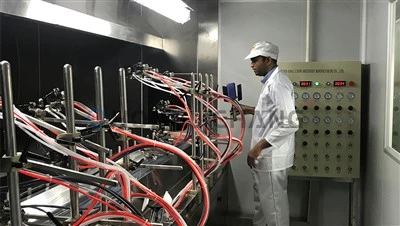
Let’s start with the short answer: Yes, the vast majority of full-service automotive paint shops do provide paint removal services. But that’s a deceptively simple statement, because paint removal in automotive contexts isn’t just peeling layers of old paint off like you would a sticker from a laptop. It’s a precision process that requires the right tools, training, and compliance with strict environmental regulations—all of which most paint shops invest in heavily, because it’s a key part of their core service offerings.
Why do paint shops prioritize paint removal? For one, any quality repaint job depends on a flawless surface. If you’re spraying new paint over old, flaking clear coat, or a layer of paint that was applied incorrectly years ago, the new finish will only last a fraction of its intended lifespan. I’ve seen too many customer horror stories: a car owner paid for a cheap repaint at a quick lube shop, only to have the new paint bubble and peel within a year because the old layer wasn’t fully removed. That’s why professional paint shops view paint removal not as a side gig, but as a critical first step to guaranteeing a durable, professional-looking result.
But let’s break down what types of paint removal services these shops actually offer, because it’s not a one-size-fits-all process. The method a shop uses depends on several factors: the age of the vehicle, the type of old paint on it (acrylic enamel, urethane, lacquer, or even older lead-based paint, which is common on vehicles built before 1978), the condition of the underlying metal or body panels, and whether the customer is working on a daily driver, a vintage restoration project, or a damaged vehicle.
The most common method I see my clients (the paint shops I supply) use is media blasting, specifically with abrasive media like aluminum oxide, glass beads, or crushed walnut shells. Unlike sanding by hand or with a regular sander, media blasting is fast and consistent— it removes paint evenly without leaving deep scratches that would require more work to buff out later. For delicate parts, like a vintage car’s chrome trim or intricate body panels, shops often use soda blasting instead, which is gentler and less likely to damage fragile metal or existing substrates. I remember a story from a small restoration shop I work with in Detroit a few months back; they were bringing in a 1967 Camaro that had 10 layers of old paint, including lead-based primer, and media blasting with glass beads was the only way to strip all those layers without warping the thin steel of the hood.
Another popular method is chemical paint stripping. This is the go-to for customers working on small parts or vehicles where media blasting might be too aggressive, like fiberglass panels or plastic components. Professional paint stripping chemicals are formulated to break down old paint without eating away at the underlying material, and modern formulas are far safer than the harsh strippers sold at hardware stores for DIYers. My team recently started supplying a new line of low-VOC (volatile organic compound) strippers to our client shops, because new EPA regulations have restricted the use of high-VOC products that used to be common in paint stripping. Shops have to invest in special ventilation and containment systems when using chemical strippers, too, to keep their work areas safe and compliant—something most dedicated paint shops have on hand.
For smaller, more precise jobs, like removing overspray from a newly painted panel or touching up a small area, shops also use sanding and abrasive polishing. This is the method I see used most often for minor touch-ups, because it lets technicians work on exactly the area that needs fixing without disturbing the rest of the vehicle.
Now, it’s important to note that not all automotive paint shops offer all of these services. A small, neighborhood paint shop that only does touch-ups for local insurance companies might focus almost exclusively on sanding and small-area paint removal, while a large restoration shop that works on classic cars will have all the media blasting, chemical stripping, and sanding equipment needed for full, vehicle-wide paint removal. That’s why it’s always a good idea to ask a shop directly before you book an appointment—whether on the phone or during a quick in-person visit—what paint removal methods they use, and whether they have experience working with your specific type of vehicle.
One question I get all the time as a supplier is: Why don’t more DIYers do their own paint removal? The answer is simple, and it’s something I see every time I train new shops on how to use the equipment I sell. Paint removal is messy, labor-intensive, and requires a lot of skill to do right. For starters, old paint particles (especially lead-based paint) are toxic, so you need proper personal protective equipment (PPE) and ventilation to avoid exposure. DIYers often skip the proper containment, leading to paint particles spreading all over their garage or driveway, which is not only a health hazard but also illegal in many areas. Then there’s the work itself: removing paint evenly is tricky. If you sand too hard, you’ll scratch the panel or even cut through the metal, which means more expensive repairs later. If you use the wrong media or chemical stripper, you’ll damage the underlying body filler or factory metal. I’ve had customers come to my supplier partners with cars they tried to strip themselves, only to have to fix deep scratches they made, costing them twice as much as if they’d gone to a professional shop in the first place.
I also want to address a common misconception: some people think that taking a vehicle to a paint shop for paint removal is more expensive than doing it yourself. While it’s true that you’ll pay for labor and materials, the long-term savings are real. A professionally stripped and prepped surface will hold new paint for 10 years or more, whereas a DIY-stripped surface might need to be redone in a year or two. For classic car owners, that’s a huge deal—restoring a vintage vehicle is a big investment, and cutting corners on paint removal can ruin its value and appearance.
So, what should you do if you need paint removal services for your car? First, assess your project. If you have a small touch-up job, a minor panel repair, or a daily driver that only needs a few layers of old paint removed, a local neighborhood paint shop is likely a good fit. If you have a full vehicle restoration, a vintage car with multiple layers of old paint, or lead-based paint that needs to be handled, look for a shop that specializes in classic car restorations—they’ll have the specialized equipment and training to work on those projects safely.
As a supplier, I’ve seen firsthand how much work goes into making sure these paint shops have the tools and materials they need to do paint removal right. We supply everything from industrial-grade media blasting equipment to low-VOC chemical strippers and specialized sanding tools, and we work closely with these shops to make sure they’re up to date on the latest safety and environmental regulations. The shops I partner with don’t just want to strip paint—they want to do it in a way that protects their customers, their employees, and the environment, while delivering a finish that lasts.

At the end of the day, paint removal is a core service for automotive paint shops, because every great paint job starts with a great surface. Whether you’re fixing a peeling panel on your daily driver, restoring a vintage project car, or just getting ready for a full repaint, a professional paint shop has the tools, training, and compliance measures to get the job done safely and correctly. If you’re looking to book services to remove old paint from your vehicle, reach out to a reputable automotive paint shop in your area to discuss your project needs. For equipment supply inquiries related to automotive paint services, connect with our team to explore solutions tailored to your shop’s operations.
Automotive Paint Shop References
- U.S. Environmental Protection Agency. (2022). National Emission Standards for Hazardous Air Pollutants for Surface Coating of Motor Vehicles.
- Automotive Service Association. (2021). The Guide to Professional Automotive Refinishing and Surface Preparation.
- Society of Automotive Engineers. (2020). Recommended Practices for Paint Removal and Surface Preparation for Automotive Restoration.
- National Highway Traffic Safety Administration. (2019). Lead-Based Paint in Motor Vehicles: Safety and Handling Guidelines for Repair and Refinishing.
- International Autobody Rebuilders Association. (2023). Best Practices for Automotive Paint Stripping and Surface Contamination Control.
Shenzhen Honglichang Machinery Manufacturing Co., Ltd.
We are one of the most professional automotive paint shop manufacturers and suppliers in China, also support customized service. Please feel free to buy advanced automotive paint shop for sale here from our factory. Welcome to contact us for quotation.
Address: No.A802, Building 2, Tianan Digital Plaza, Longgang, Shenzhen, China
E-mail: victor@honglichang.com
WebSite: https://www.honglichang-paint.com/
