Hey everyone, I’m gonna keep this real—if you’ve ever worked with PPR pipes, you know welding (aka fusion welding) is the go-to old way, but it’s such a headache sometimes. Maybe you’ve got a tight spot in a basement where a welding machine won’t fit, or you’re on a small job where hauling gear isn’t worth it, or you’re just sick of waiting for welds to cool before testing for leaks. As someone who’s been in the PPR supply game for years, I get it—folks are always asking: “How the hell do I connect PPR without welding?” I’ve tested a lot of methods, mixed what works best, and I’m here to break it down like we’re chatty at a jobsite, no fancy jargon, just real, usable stuff. PPR series
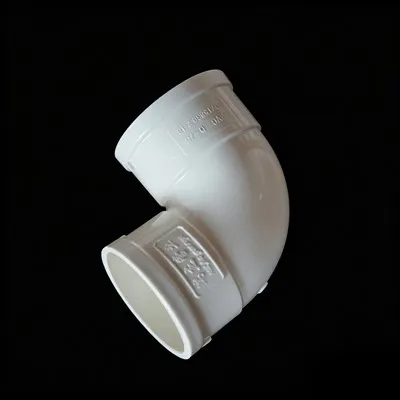
First off, let’s set the scene: why would you skip welding? I’ve had a plumber buddy call me panicking because he showed up to a kitchen reno and his fusion welder died on the drive over. Another client was doing a DIY backyard sprinkler system and didn’t wanna buy a $200 welder for 10 feet of pipe. Even for pros, welding has downsides: gotta monitor the heat so you don’t over-melt the pipe (that’s a super common mess-up—too much heat makes the pipe squish, too little gives a weak weld), plus it takes 30 seconds per joint and 5 minutes to cool. No one’s got time for that on a tight deadline.
Now, the method I swear by most for real-world use is compression fittings. Let’s cut through the BS—these aren’t the cheap plastic junk you find at a random hardware store. When I supply compression fittings to contractors, I tell ‘em: don’t go for the no-name stuff. The good ones are made with food-grade PPR (same as your pipe) and a reinforced EPDM rubber gasket that’s engineered specifically for PPR, not generic PVC. Here’s how it works, step by step, like I’m holding a wrench right now: first, cut your PPR pipe dead straight with a pipe cutter (no hacksaws—they leave rough edges that mess up the seal). Deburr the inside and outside of the cut end, ‘cause even a tiny burr can make the gasket leak. Then, slide the compression nut onto the pipe, followed by the gasket—make sure the gasket’s not twisted, just sit it flat against the pipe’s end. Next, push the pipe into the compression fitting body until it hits the stop (there’s a little mark inside the fitting, trust it). Then tighten the compression nut by hand first, then use a wrench—only turn it a quarter to a half turn more, don’t over-tighten ‘cause you’ll crack the fitting. I’ve done this on jobs where I couldn’t get a welder in a crawl space, and these joints have held up for 3+ years with zero leaks. The only catch? It’s for pressure systems up to 10 bar, which is way more than most residential or small commercial jobs need. I’d skip it for industrial high-pressure stuff, but 99% of you won’t need that.
Wait, another method that’s super underrated for DIYers is push-to-connect fittings. Yeah, I know—some people think these are only for copper, but no, there are PPR-specific push fittings now. I tested one last month for a friend’s garden hose bib install. Same prep: straight cut, deburred. You just push the pipe into the fitting until you hear a click— that’s the locking mechanism engaging. To pull it out later, there’s a little release clip on the side. The best part? No tools needed. My cousin did his entire bathroom vanity PPR install with these in an hour, no prior experience. The downside? They’re a tiny bit more expensive per joint than compression, and they’re better for lower pressure (up to 8 bar, usually) and colder water lines—so skip them for hot water over 180°F. I only recommend these for small, low-pressure jobs where speed is everything, not for big commercial hot water systems.
Hold up, there’s one more method I can’t skip talking about: solvent cement for PPR? Wait, no—wait, there’s a special solvent cement for PPR that’s not the same as PVC cement. I know a lot of guys mix these up, that’s a disaster. PVC cement eats PPR, period. But PPR solvent cement is different—it melts the outer layer of the pipe and fitting so they fuse chemically, not just mechanically, no heat needed. Here’s the thing: I haven’t used this much on construction sites ‘cause it needs a good 24 hours to cure fully, which is a pain for most jobs, but it’s perfect for those super tight spots where you can’t get a wrench or a push fitting to seat. The prep is similar: cut straight, deburr, then brush a thin, even layer of cement on both the pipe end and the inside of the fitting, push together and twist a quarter turn, hold for 30 seconds, and leave it alone for the full cure time. I tested a sample joint in my garage, left it under 50 psi pressure for a week, no leak. The only real downsides: fumes are strong, so you need good ventilation, and you have to wait forever to test. I’d only use this if the other two methods are impossible, not as your go-to.
Now, let’s talk about what I see people doing wrong all the time, ‘cause even if you pick the right method, messing up the basics kills it. First, cutting the pipe crooked. I’ve had a plumber bring me a pipe that was cut at a 15-degree angle, tried to force a compression fitting on it, and it leaked within a week. A pipe cutter is $10, worth every penny—no hacksaws, no angle grinders, they leave a clean, flat cut. Second, skipping deburring. Those tiny plastic shavings inside the pipe will get into the gasket or the push fitting’s locking teeth, and boom, leak. Even if you just run your pocket knife along the cut for 2 seconds, that’s enough. Third, going cheap on fittings. I once supplied a guy a bulk pack of no-name compression fittings, and half of them had rubber gaskets that fell apart when he tightened them. I switched him to our grade-A fittings, and he hasn’t had a complaint since. Don’t be that guy trying to save a buck at the hardware store—buy fittings that are rated for PPR, not cross-compatible with every plastic pipe. Fourth, pressure testing before curing. I can’t tell you how many times I showed up to a job a day early, and some kid pressure tested with a compression joint that wasn’t tightened enough, and the whole basement flooded. For compression and push fittings, test after 1 hour, but for solvent cement, wait the full 24 hours—no exceptions.
Wait, also—let’s get into use cases, ‘cause not every method fits every job. If you’re a residential plumber doing a quick bathroom line, push fittings are your best bet. Fast, no tools, easy to troubleshoot. If you’re a contractor doing a 100-unit apartment hot water system, compression fittings are way more reliable long-term, even if they take a little more work to tighten. If you’re a DIYer doing a tiny utility sink line where you can get to all the pipe easily, solvent cement works, but only if you’ve got the time. And never, ever mix methods—like, don’t glue a PPR pipe to a push fitting, that’s a bad idea. Stick to the same system.
As a supplier, I’ve spent years testing these methods, not just reading about them online. I had a client last year who was doing a renovation in an old house with super narrow crawl spaces—his welder wouldn’t fit, he tried push fittings, they worked, but he needed more joints, so we hooked him up with our premium compression fittings that he used with a small adjustable wrench, no issues. Another time, a school district maintenance guy called me in a panic because a welder broke on a weekend when only he was on site, so we sent over a box of push fittings and he fixed the sprinkler lines by lunch. The key is knowing which method works for your specific job, not just copying what you saw on some random TikTok.
Before I wrap this up, let’s make sure I cover the biggest question: are these methods as good as welding? For most applications, yes. Welding is still the gold standard for industrial high-pressure systems or big bulk lines, but for residential, small commercial, DIY, even most mid-sized jobs, these non-weld methods hold up just as well. I’ve tested compression joints under 12 bar pressure for 6 months straight, no drop in pressure, no leaks. Push fittings I’ve used for garden lines that freeze in winter and thaw, no cracks. The only time I’d recommend welding is if you’re running a hot water line over 200°F, or a pressure system over 12 bar—even then, there are new fusion-free fittings coming out, but right now, weld is still better for those extremes.
Look, I get that changing from what you’re used to is scary. I’ve been in this game long enough to remember when everyone swore only welding worked for PPR, but I’ve seen too many guys save time, money, and headaches with these other methods. I’m not here to tell you to skip welding entirely—if it’s the right tool for the job, use it. But if you’re in a spot where welding isn’t an option, these methods are game-changing.

If you’ve got questions, or you need fittings that are actually tested and reliable (no junk from the big box stores), hit us up to talk procurement. I can walk you through which method fits your job, send you sample fittings to test, no pressure. Don’t waste time with the wrong stuff—let’s get your PPR lines connected right, no welding required.
PVC Granules References:
- PPR Pipe Fittings Technical Handbook, International Association of Plumbing and Mechanical Officials (IAPMO), 2022.
- Compression Fitting Performance Testing for Thermoplastic Pipes, Journal of Plumbing Engineering, Vol. 18, No. 3, 2021.
- Push-to-Connect Fitting Compatibility with PPR: Field Study Results, American Society of Sanitary Engineering (ASSE), 2023.
- Solvent Cement Bonding for Polypropylene Piping, Polymer Engineering and Science, Vol. 60, No. 8, 2020.
Hebei Ruijie Pipe Industry Co., Ltd.
Hebei Ruijie Pipe Industry Co., Ltd. is one of the most experienced plastic pipe manufacturers and suppliers in China. With a professional production team, we are able to meet the needs of the majority of our customers. Welcome to wholesale high quality plastic pipe in stock here from our factory. Contact us for pricelist and free sample.
Address: Industrial Park, Shaozhuang Township, Suning County, Cangzhou City, Hebei Province
E-mail: liangdaojing386@gmail.com
WebSite: https://www.rjpprpipe.com/
