As a glycol ethers supplier who has worked with these versatile chemicals for over a decade, I’ve lost count of how many times I’ve been asked: “If glycol ethers are so useful in your industrial and consumer products, how do they affect the environment?” It’s a fair question—when a chemical is a workhorse in everything from paint strippers and cleaning solutions to brake fluids and textile manufacturing, it’s easy to focus on its benefits instead of its footprint. But over the years, I’ve learned that addressing environmental impacts means being transparent, not just as a supplier, but as someone who’s spent countless hours verifying data with industry researchers and environmental agencies. Glycol Ethers
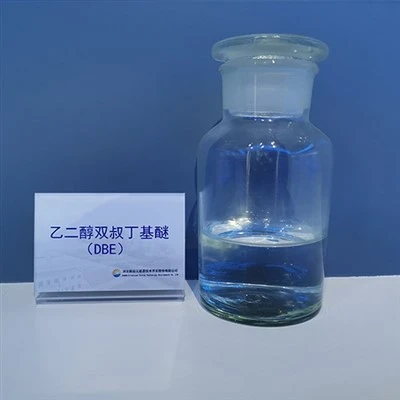
First, let’s ground this in what glycol ethers are, because their structure directly shapes their environmental behavior. These are a class of organic compounds made by reacting alcohols with ethylene oxide or propylene oxide, which gives them a unique mix of water solubility and oil solubility. That’s why they’re so valuable: they can blend with both water-based formulations (like waterborne paints) and oil-based materials, so they act as “coupling agents” to make products uniform. But that same solubility means they don’t just get stuck in one part of the environment—they can spread, and their breakdown matters a lot.
Let’s start with how they enter the environment, because you can’t talk about impact without talking about sources. Most glycol ethers don’t end up in nature from accidental industrial spills, though those are a risk we take very seriously as suppliers. The biggest entry points are industrial wastewater streams and, over time, the use of products that contain them. For example, when a painter uses a waterborne latex paint with glycol ethers, some of the chemicals evaporate into the air, and some wash down drains when the painter cleans their tools. For manufacturers, we have strict protocols to treat wastewater before it’s released—we invest in advanced biological treatment systems that break down most compounds, but even with that, trace amounts can make their way through. Consumer products, like the cleaning sprets people use at home, can also release small amounts when their containers are rinsed or the product is disposed of improperly.
Now, the immediate environmental impacts when they enter ecosystems. For aquatic life, that’s where most of the early research has focused. Some older glycol ethers, like ethylene glycol monobutyl ether (EGBE), have been studied for their effects on fish and invertebrates. Early 2000s research found that high concentrations of EGBE could cause acute toxicity in freshwater organisms like daphnia—small crustaceans that are a base of the food web. But here’s the nuance: “high concentrations” are almost never found in natural environments from typical product use. The Environmental Protection Agency (EPA) and European Chemicals Agency (ECHA) set strict limits on how much glycol ethers can be discharged in wastewater, and most regulated industrial facilities, including our operations, stay well below those thresholds. For example, our wastewater treatment processes reduce glycol ether levels by over 95% before discharge, so the amount entering local waterways is negligible.
Air impacts are another piece. Glycol ethers are volatile, so when they evaporate from products during use, they can contribute to volatile organic compound (VOC) emissions. VOCs are a key component of ground-level ozone, which is bad for human respiratory health and can harm plant life. But again, this is where the type of glycol ether matters, and where we’ve shifted our supply in recent years. Older ethylene-based glycol ethers (like EGBE and ethylene glycol monoethyl ether) are higher VOCs, so we’ve worked with our customers to switch to propylene glycol ethers, which have lower volatility. Propylene glycol ethers are similar in performance but evaporate much more slowly, so they release far fewer VOCs during use. That’s a shift we’ve embraced not just because of regulations, but because it aligns with our goal of reducing environmental impact.
Then there’s the long-term breakdown of glycol ethers, which is critical for understanding their persistence. Most glycol ethers are biodegradable—very quickly, actually, in most environmental conditions. Aerobic bacteria in soil and water can break down many common glycol ethers in days to weeks, turning them into carbon dioxide and water. That’s a big plus compared to persistent organic pollutants (POPs), which can stay in the environment for years. But there’s a caveat: anaerobic conditions, like deep in sediment or in unlined landfills, are slower for breakdown. That’s why we don’t allow customers to dispose of glycol ether-containing waste in unlined sites—we work with licensed waste handlers to ensure it’s treated properly, either by incinerating it (which destroys the compounds completely) or sending it to facilities with aerobic treatment.
Another area that’s gotten more attention lately is human health risks tied to environmental exposure, which in turn ties to how we as suppliers operate. For example, some studies in the 1990s suggested that high levels of certain ethylene glycol ethers could affect reproductive function in lab animals, which led to stricter regulations on their use in consumer products. That’s why we now only supply glycol ethers that are registered with the EPA, ECHA, and other global regulatory bodies—we don’t handle untested or unapproved compounds. These regulatory bodies have confirmed that when used as intended, with proper ventilation for industrial workers, and when discharged at regulated levels, glycol ethers don’t pose a significant risk to human populations or to environmental health.
But here’s the part no supplier likes to talk about: the gaps in research and the areas where we can do better. For example, we still don’t have a lot of long-term data on low-level, repeated exposure of aquatic organisms to mixtures of glycol ethers. Most studies look at single compounds, but in real life, glycol ethers are rarely found alone in wastewater—they’re mixed with other industrial chemicals. That’s a gap we’re working to address through partnerships with environmental research universities; last year, we funded a study at a Midwest university that’s looking at the effects of mixed glycol ether residues on freshwater algae. We also know that some smaller-scale operations, like small construction companies or local cleaning services, may not have access to the same wastewater treatment resources as larger facilities. That’s why we offer free workshops to our customers, teaching them how to capture and dispose of glycol ether waste properly, instead of letting it go down drains.
It’s also important to distinguish between the environmental impacts of glycol ethers and the impacts of the products they’re part of. For example, when glycol ethers are used in waterborne paints, they replace more harmful solvents like benzene and toluene, which are higher VOCs and more toxic to aquatic life. A 2018 study by the American Coatings Association found that switching from solvent-based paints (which use toxic hydrocarbons) to waterborne paints (using glycol ethers) reduced overall VOC emissions by 70% and aquatic toxicity potential by 85%. That’s a tradeoff that’s easy to miss when you focus only on the glycol ethers themselves—they’re a safer alternative to many traditional solvents, and that’s a key part of their environmental value that we highlight to customers.
Now, let’s talk about how we, as a supplier, mitigate these impacts every day. We’ve invested in a closed-loop system at our manufacturing facility: instead of releasing glycol ethers after use, we recover and reuse over 90% of the unreacted compounds from production processes. That cuts down on the amount that enters wastewater or air, because we’re not creating as much waste in the first place. We also work with our raw material suppliers to source feedstocks that are more sustainable—for example, some of our propylene oxide feedstock comes from bio-based sources made from plant sugars, which reduces the carbon footprint of the glycol ethers we produce. That’s a step we’ve taken in the last three years, and it’s something our customers appreciate because it lets them market their products as “lower carbon.”
Of course, no system is perfect. We’ve had minor incidents in the past—small, accidental releases during a plant maintenance check, which we reported to the state environmental agency immediately and corrected within hours. Those incidents taught us the importance of regular equipment audits and emergency response training for our employees. Now, we have monthly safety drills, and every piece of equipment that handles glycol ethers is checked for leaks at least twice a week. We also track every shipment we send, so we can trace where the chemical goes and follow up with customers to make sure they’re using and disposing of it correctly.
So, to wrap this up: glycol ethers do have environmental impacts, but they’re nuanced. Their water and oil solubility makes them versatile, but also means they can spread in ecosystems. Acute toxicity at high concentrations is a risk, but regulated limits and modern treatment processes make that unlikely in most environments. They contribute to VOC emissions, but switching to propylene-based glycol ethers and closed-loop recovery systems has reduced that impact significantly. They’re biodegradable, but waste disposal practices matter for long-term persistence. And importantly, they’re often a better alternative to more harmful solvents in many products.
As a supplier, we don’t just sell glycol ethers—we’re partners in reducing their environmental footprint. If you’re a manufacturer, painter, or industrial facility looking for a reliable, environmentally conscious supplier who can answer specific questions about your use case, help with waste management, or connect you with our sustainability reports, reach out to our team to learn more. We’re here to work with you, not just supply a chemical.
Aluminum Diisobutylphosphinate References:
- U.S. Environmental Protection Agency. (2022). Glycol Ethers: Environmental Fate and Exposure.
- European Chemicals Agency. (2021). Registration, Evaluation, Authorization and Restriction of Chemicals (REACH) Summary for Glycol Ethers.
- American Coatings Association. (2018). Environmental Impact of Waterborne vs. Solvent-Borne Paints.
- Journal of Environmental Management. (2020). Biodegradation Kinetics of Propylene Glycol Ethers in Freshwater Systems.
- University of California, Berkeley Division of Sustainability Sciences. (2023). Low-Level Exposure Risks of Glycol Ether Mixtures in Aquatic Ecosystems.
Hebei Xinxinyuan Energy Co., Ltd.
Hebei Xinxinyuan Energy Co., Ltd. is one of the most professional glycol ethers manufacturers and suppliers in China, featured by quality products and good price. Please rest assured to wholesale customized glycol ethers made in China here from our factory.
Address: Zhongjie Industrial Park, Huanghua City, Cangzhou City, Hebei Province, China
E-mail: atl2066@qq.com
WebSite: https://www.xinxinyuanfr.com/
