Hey there! If you’re reading this, chances are you’ve run into that annoying problem with door panel systems—stains that pop up out of nowhere, whether it’s from daily grime, food splatters, or even scuffs from moving furniture around. As a door panel systems supplier (the real kind, not the generic ones you see on every site), I’ve spent years troubleshooting this with installers, contractors, and even homeowners who reach out panicking because they don’t want to ruin their panels’ look. Let’s cut the corporate jargon—this is the stuff we actually use on our own product samples and that we tell our clients to do, no fluff required. Door Panel Systems
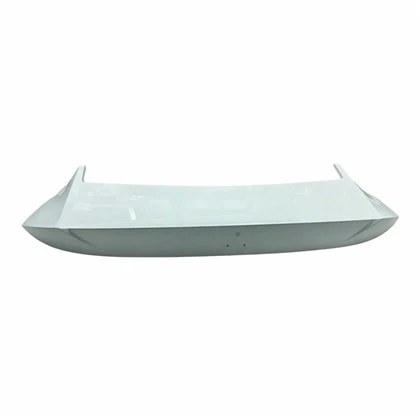
First off, let’s get one thing straight: not all stains are the same, and not all door panel materials handle cleaning the same way. Our door panel systems come in a few main types—vinyl, composite wood, aluminum, and even fiberglass for outdoor use—and each has its own do’s and don’ts. Mess this up, and you could end up with discoloration, peeling, or scratches that cost way more to fix than a quick clean. Let’s break down the most common stains and the step-by-step fixes that work, no fancy tools needed.
Starting with the big one that everyone hates: grease and oil stains. These happen so fast—someone cooks a burger nearby, or a mechanic’s hand brushes a door panel while they’re grabbing a tool— and they seep into the tiny pores of vinyl panels if you don’t act quick. I once had a contractor come to me with a job where he tried to wipe a grease stain off a high-gloss vinyl panel with just water, and it left a dull spot that he had to redo with a whole panel replacement. Total headache, so here’s the right way: grab a mild dish soap (the kind you use for dishes, not the heavy-duty degreaser for pots—trust me, the heavy stuff can strip the finish) and warm water. Mix a teaspoon of soap into a gallon of warm water, dip a soft microfiber cloth (never paper towels—they leave lint and can scratch) into the mix, wring it out so it’s damp, not soaking, and dab the stain gently. Don’t rub—rubbing pushes the grease deeper. Once the stain is gone, take a clean, dry microfiber cloth and buff the area until it’s dry. For older, set-in grease stains on composite wood panels (the ones we make for interior doors), add a tiny bit of baking soda to that soap mix—make a paste, dab it on, let it sit for 5 minutes, then wipe off. Test it on a hidden spot first, like the bottom edge of the panel, because composite wood can sometimes fade if you leave the baking soda on too long.
Next up: scuff marks. These are the worst for door panels that get a lot of use—kids dragging their shoes, moving boxes, even a bike leaning against an exterior panel. If you’ve got vinyl or aluminum panels, a regular old rubber eraser (the pink kind, not the fancy art erasers) works like magic. Just rub the scuff gently, and it should lift right off. For tougher scuffs, like the ones on fiberglass exterior panels, grab a white non-gel toothpaste (the kind with baking soda is perfect) and a soft toothbrush. Dab a little toothpaste on the scuff, scrub gently in circular motions, then wipe with a damp cloth. Avoid anything with hydrogen peroxide, though—sometimes it can lighten the finish on colored panels, which is a mistake no one wants. I learned that one when a client had a dark brown fiberglass panel that turned splotchy after they used peroxide on a scuff—cost them a whole set of panels.
Then there’s water stains. These show up mostly on composite wood or painted aluminum panels, usually from rain dripping on exterior doors or spills that sit too long on interior ones. For light water spots on painted panels, just a mix of equal parts white vinegar and water works. Spray a little on a cloth (not directly on the panel—spraying liquid directly can get behind the seams of door panel systems and cause damage) and wipe the spot. For stubborn water stains that have etched into the finish, mix a paste of cream of tartar and a little water, dab it on, let it sit 10 minutes, then wipe off. Again, test on a hidden spot first—cream of tartar is mild, but better safe than sorry. If it’s a wood composite panel, skip the vinegar—vinegar is acidic and can damage the wood’s finish over time. Instead, use a tiny bit of mineral oil on a cloth to buff the stain; it blends the water mark into the surrounding area without harming the wood.
Now, let’s talk about what you should never do. This is the stuff we’ve seen mess up panels so bad that they had to replace half a set: don’t use abrasive cleaners like steel wool, scouring pads, or bleach. Steel wool scratches the surface of any panel material, making it more likely to get stains in the future, and bleach can discolor even the most durable finishes. I once had a installer bring back a set of vinyl panels that a client cleaned with bleach, and the bleach had turned the light gray panels pink. Not a look anyone wants. Also, don’t use pressure washers on exterior door panel systems—we design them for durability, but high pressure can force water into the seams, warp composite panels, or strip the paint off aluminum. If you have an exterior panel that needs a deep clean, use a garden hose on low pressure and a soft-bristled brush, not a power washer.
Wait, what about if the stain is something more unusual? Like marker? Kids drawing on interior door panels is a classic, right? For permanent marker, grab a little rubbing alcohol (70% isopropyl, not the 90% stuff—too strong) and a cloth. Dab the marker stain, don’t rub, and it should lift. For ink stains, same thing—rubbing alcohol works, or even hairspray (the kind with alcohol, not the alcohol-free stuff). If it’s a food stain, like coffee or juice, act fast—blot with a clean cloth first to soak up as much liquid as you can, then use that dish soap and warm water mix, same as grease.
Here’s a pro tip from our team, the stuff we tell every client when they buy door panel systems from us: do a monthly quick wipe-down with a damp microfiber cloth and a tiny bit of soap. Prevention is way easier than fixing stains later. Also, if you’re installing door panel systems in high-traffic areas, like commercial buildings or homes with kids/pets, ask us about the scratch-resistant vinyl or aluminum we offer—they’re way better at resisting stains than our standard options, and we can tailor them to fit your space.
I know a lot of people try to fix stains themselves and end up making it worse, which is why our team is here. If you’ve got a stain that won’t budge, or you’re worried about damaging your door panel systems during cleaning, reach out to us to chat through it. We’re not just a supplier—we’ve been installing and troubleshooting these panels for years, so we can walk you through exactly what to do, or even send a tech out if you need hands-on help. Whether you’re a homeowner who needs to fix a spot on a front door, or a contractor who needs bulk panels for a commercial project, we’ve got you covered. No weird hoops to jump through, no hidden fees—just straight talk and solutions that work.
Before I wrap up, let’s circle back to the biggest mistake we see: not testing cleaners on hidden spots first. Every panel is a little different, even within the same set, so a quick test on the bottom edge or a corner no one sees can save you from ruining a whole panel. Stick to mild cleaners, soft cloths, and gentle pressure, and 9 times out of 10, stains will come right off. If they don’t, just hit us up.
Exterior Decorative Parts References:
- Door & Window Manufacturers Association. (2022). Best Practices for Cleaning Residential and Commercial Door Panels.
- Vinyl Institute. (2021). Maintenance Guidelines for Vinyl Building Products.
- Aluminum Association. (2020). Care and Cleaning of Architectural Aluminum Surfaces.
Hebei Xiujie Auto Parts Co., Ltd.
As one of the most professional door panel systems manufacturers and suppliers in China, we have world-leading production equipment and strong manufacturing capabilities. Please feel free to wholesale bulk customized door panel systems from our factory. Contact us for quotation and free sample.
Address: Industrial New Area, Wen’an County, Langfang City, Hebei Province (State-run Xiaowu Farm)
E-mail: runtaoli87@gmail.com
WebSite: https://www.xiujie-cn.com/
