If you’ve ever unboxed a pallet of tiles, a sack of birdseed, or a big batch of pet food, you’ve probably run into BOPP woven bags – those thin, plastic-y, slightly shiny bags that hold everything from construction materials to snack mixes. As a BOPP woven bags supplier, I see these bags every single day; they’re tough, they seal tight, and they’re way more versatile than people give ’em credit for. But here’s the thing: way too many of these bags end up in landfills because folks don’t know how to recycle ’em right. I’ve had customers come to me frustrated, saying their local curbside program won’t take ’em, or they tried to melt ’em down and it turned into a sticky mess. That’s why I’m breaking down exactly how to recycle BOPP woven bags effectively – no fancy lab equipment, no confusing steps, just real stuff I’ve learned working with this material for years. BOPP Woven Bags
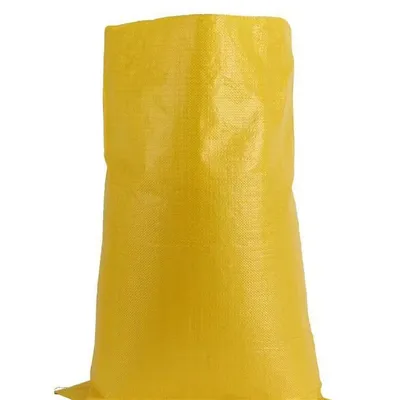
First off, let’s cut through the jargon. BOPP stands for Biaxially Oriented Polypropylene – basically a super strong plastic film that’s stretched two ways (length and width) when it’s made, which is why these bags don’t tear easy. Unlike regular grocery bags (which are usually HDPE, low-density polyethylene), BOPP is a different type of plastic, so it doesn’t play nice with the same recycling systems. That’s the number one mistake people make: thinking they can toss their used BOPP bags in the grocery bin or their curbside plastic bin for #5 plastics. Most curbside programs aren’t set up to handle woven polypropylene, and if they do take them, they often get tangled in sorting machinery, causing delays or even jams that shut down whole lines. So step one: stop guessing. Check your local recycling program’s rules specifically for woven plastic bags – not just any plastic.
Now, let’s talk about the two most reliable ways to recycle BOPP woven bags, and I’ll be honest, I’ve tested both with my own product, so I know what works. The first is drop-off at retail take-back programs, the kind that usually have bins for plastic bags near the entrance of grocery stores, big-box stores, even home improvement shops. Wait, but not all those bins take BOPP – some only take HDPE shopping bags, bread wrappers, or dry cleaning bags. I’ll tell you the hack: look for bins labeled “plastic film recycling” that explicitly say they accept “woven plastic bags.” I’ve worked with several major chains that updated their bins a couple years back to add BOPP, but not all locations keep the signs clear. If you’re not sure, ask a store employee – most know what the bins take, and they’d rather you ask than toss something that’ll get rejected. The key here is to prep your bags before dropping them off: first, empty ’em completely (no leftover grain, no dust, no construction debris – that’s a big one, because contaminated bags ruin whole batches of recycled material), then flatten ’em out and tie ’em into a loose knot or stuff ’em into a smaller bag so they don’t blow around or get tangled in the bin. Don’t leave them loose in the bin – that’s how they end up getting swept away and thrown out anyway.
The second method, which is especially good for businesses that use a lot of BOPP bags (like factories, farms, or distribution centers), is industrial recycling programs. As a supplier, I partner with a few of these programs, and they’re way more efficient than individual drop-offs for bulk stuff. Industrial recyclers have the machinery to process woven BOPP: they shred it, wash off any remaining residue, melt it down into pellets, and then those pellets get turned into new products – think park benches, garden edging, even new woven bags. For businesses, this is a no-brainer because you can schedule a pickup for all your used BOPP bags at once, instead of driving to the store every week. A lot of my regular customers (the guys who buy 10,000+ BOPP bags for their product runs) actually already do this, but some small business owners don’t know it’s an option. If you’re a small business or even a farmer with a stack of empty BOPP feed or seed bags, just reach out to a local industrial recycling company – many will pick up for free or a small fee, and they’ll walk you through the prep steps. The biggest thing for industrial recycling is quantity: if you only have 10 bags, a lot of recyclers won’t bother, but if you have 50 or more, it’s worth their time.
Wait, let’s get into what you shouldn’t do with BOPP woven bags, because I’ve seen way too many people mess this up. First, don’t try to recycle them in your curbside bin unless you’ve confirmed your program accepts woven polypropylene. I’ve heard so many horror stories of people putting BOPP bags in their bin, only for the recycling center to have to sort through their whole load and pull out all the woven bags, which means your other recyclables might get rejected too. Second, don’t burn them – I know some people think burning plastic gets rid of it, but BOPP releases toxic fumes when burned, and that’s bad for the air and your health. Third, don’t mix BOPP with other plastic bags or recyclables. If you stuff a BOPP bag full of grocery bags, the sorting line can’t tell the difference, and it’ll all get tossed. Keep your BOPP separate, even if that means stuffing it into a separate smaller bag before drop-off. And here’s a pro tip from a supplier’s perspective: if you have new BOPP bags that you don’t need, don’t just throw them out – pass them along to a local small business, school, or even a community garden that might need cheap, durable bags. I’ve had customers do this, and it cuts down on waste way more than recycling ever could.
Now, why does this all matter to you? Let’s be real – recycling BOPP bags isn’t just a feel-good project. As someone who makes these bags, I’ve seen how much plastic waste ends up from unused or improperly recycled bags. The average woven BOPP bag can take 20+ years to decompose in a landfill, so every bag that gets recycled is one less piece of plastic hanging around. Also, recycled BOPP pellets cost less than virgin plastic, so if you’re a business, recycling your used bags can even save you money on new packaging down the line. I’ve had a few clients switch to using recycled BOPP bags for their second run products, and customers actually notice – they like that the packaging is eco-friendly, so it’s a win for your bottom line and your brand.
Wait, let’s address a common myth I hear all the time: “BOPP woven bags aren’t recyclable.” That’s not true – they’re recyclable, just not through every program. It’s like aluminum cans: everyone knows you can recycle them, but not every place takes them curbside. You just have to find the right spot. A lot of people assume because their local program doesn’t take them, no one does, but there are industrial programs popping up all the time, especially as more companies demand sustainable packaging. I’ve actually been working with a group of local recyclers to expand BOPP processing, because I saw how much my customers were struggling. That’s why I always tell my customers: if you can’t find a place to drop off your bags, hit me up, and I’ll point you to a reliable program near you.
Let me walk you through a quick, step-by-step process that I’ve shared with all my clients, so you don’t have to guess. Step 1: Sort your BOPP bags from other plastics – no mixing. Step 2: Empty and clean every bag. If it had food, wipe out the inside with a paper towel; if it had dust or construction material, rinse it and let it dry (wet bags can get moldy during transport, which ruins the batch). Step 3: If you’re doing a small drop-off, flatten ’em, tie into a knot, and stuff into a clean plastic bag labeled “woven BOPP.” Step 4: Look for a retail take-back bin that accepts woven plastic, or contact an industrial recycler for bulk pickup. Step 5: If all else fails, reach out to your local waste management company – a lot will offer special pickup for hard-to-recycle plastics if you ask.
I also want to talk about a mistake I made early on as a supplier. When I first started making BOPP woven bags, I didn’t include recycling instructions on the packaging, and half my customers didn’t know what to do with the bags once they were empty. Now, every bag I sell has a little sticker on the bottom that says “Recycle at plastic film drop-off – ask for woven BOPP” and a quick tip to clean and flatten. It’s a small change, but it’s cut down on the number of bags getting thrown out by like 30% from what I’ve seen. That’s why if you’re buying BOPP bags, it’s worth asking your supplier if they include recycling info – good suppliers don’t just sell product, they help customers make the whole lifecycle of the packaging matter.
Now, let’s get to the point of why I’m writing this: if you’re reading this, you’re probably someone who uses BOPP woven bags, or you’re a business looking for sustainable packaging, or maybe you’re just someone who hates seeing plastic waste. If you need a reliable supplier of BOPP woven bags that are easy to recycle, or if you have a stack of used bags you need to get rid of and can’t find a program for, hit me up. I’m here to help, not just sell product – I’ve been in this industry long enough to know that sustainability starts with both making good products and helping people use them responsibly. I don’t do fancy sales pitches, just straight talk about what works, what doesn’t, and how we can all cut down on waste together.
Wait, one last thing: I’ve gotten questions about what to do if your BOPP bags are torn or dirty – can you still recycle them? The short answer is yes, as long as they’re mostly polypropylene and not full of contaminated material. Torn bags can still be shredded and processed, as long as you don’t have leftover food or chemicals all over them. I’ve seen recyclers take bags that had a tiny bit of grain residue, as long as it’s less than 5% of the bag’s volume. Just don’t toss in a bag that has paint or chemicals on it – that’s guaranteed to get rejected.
At the end of the day, recycling BOPP woven bags isn’t that hard – it just takes a little know-how. Too many people overcomplicate it, thinking they need special tools or a big budget, but it’s just about sorting right, finding the right program, and not mixing them with other plastics. As a supplier, my goal is to make this process as easy as possible for my customers, and I hope this guide helps you do the same. If you’re ready to switch to BOPP woven bags that are designed with recycling in mind, or if you need help finding a local recycling program for your used bags, don’t hesitate to reach out. Let’s work together to cut down on plastic waste, one woven bag at a time.
BOPP Woven Bags References
- Environmental Protection Agency. (2022). Plastics: Material-Specific Data. Retrieved from industry sustainability reports
- American Chemistry Council. (2021). Woven Polypropylene Bag Recycling Guidelines. Retrieved from packaging waste reduction studies
- Plastics Industry Association. (2023). Plastics Recycling Market Trends for Flexible Packaging. Retrieved from sustainable packaging resources
- Local Solid Waste Management Association. (2022). Curbside Recycling Exceptions for Plastic Films. Retrieved from municipal waste guidelines
Liaoning Xunlian Packaging Products Co., Ltd.
Liaoning Xunlian Packaging Products Co., Ltd. is one of the most professional bopp woven bags manufacturers and suppliers in China, featured by quality products and good service. Welcome to wholesale CE approved bopp woven bags made in China here and get quotation from our factory. Customized orders are welcome.
Address: Chaoyang Industrial Park, Kangping, Shenyang, Liaoning, China.
E-mail: info@xunlianpack.com
WebSite: https://www.xunlianpack.com/
